 +31 (0)20 573 03 50
 EN
EN NL
NL BE
BE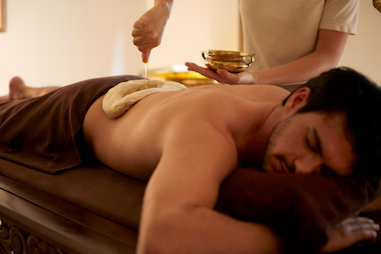
Which Ayurveda Retreat Suits You: Rasayana, Panchakarma or a Medical Programme
You probably already know an Ayurveda retreat would do you good. But how to choose what suits you best? Different types of programmes, dozens of hotels, and every website telling a slightly different story about what is actually involved. This article sets out the differences, so you can decide what suits your schedule and your goal.
The three types of Ayurveda programmes
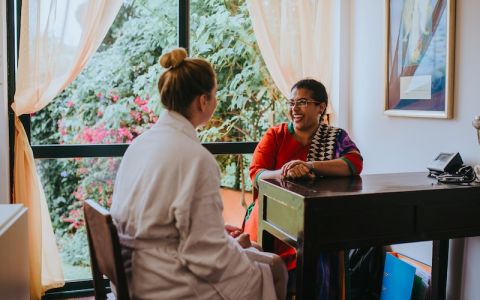
Ayurveda has no fixed format. Every programme is built around a consultation with the Ayurvedic doctor, who assesses your dosha (your constitution according to Ayurveda, made up of the elements Vata, Pitta and Kapha) along with any complaints. Treatments then typically take up around two hours a day. Broadly speaking, there are three routes, and they differ considerably in length, intensity and purpose.
Rasayana
The lightest option, aimed at relaxation and prevention rather than treating a specific condition. A typical day includes one or two treatments, such as an oil or herbal massage, alongside yoga and breathing exercises. Meals are tailored to your dosha. There is no cleansing involved, though the effect is noticeable, usually within about a week.
Panchakarma
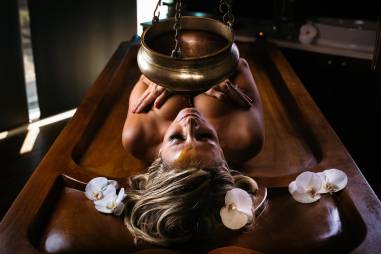
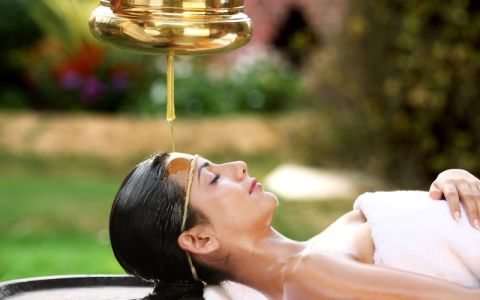
The classic detox programme, structured in three stages. It begins with a preparatory phase of oil massages and steam treatments to soften the body. Then comes the cleansing phase itself, in which a combination of treatments clears the body of accumulated waste. A recovery period follows, with adjusted meals and rest. More intensive than rasayana, and only worthwhile with enough time set aside.
Medical Ayurveda
For specific complaints, under the supervision of an Ayurvedic doctor. Think sleep problems, chronic fatigue or a hormonal imbalance. Following a thorough intake, often including blood tests or other diagnostics, the doctor draws up a personal treatment plan. This is adjusted as the programme progresses, depending on how the body responds, and is often combined with other disciplines such as Western diagnostics or Traditional Chinese Medicine.
How much time does each programme take, and what does it deliver?
A rasayana programme usually lasts around a week, and within that week you will often notice a difference after just two or three days: sleeping more soundly, a quieter mind. Panchakarma works differently. The first effects, such as improved digestion and more energy, tend to appear after three to five days, but the deeper cleansing takes longer. Most hotels only offer panchakarma from 14 nights, with 21 days as a guideline for a complete course. A medical programme is harder to put a number of days on. Its length depends on the complaint and is determined by the Ayurvedic doctor after an intake, often based on a pulse diagnosis and an extensive questionnaire.
Which programme suits your situation?
- Short on time, but ready for a reset. A one-week rasayana programme already delivers a noticeable result, without needing to clear two weeks in your diary.
- Room for a longer stay, and ready for a proper reset. Panchakarma is the logical choice. Allow at least 14 nights for the effect to settle properly.
- A specific complaint that has been going on for a while. Choose a medical programme. This calls for personal supervision and, generally, a longer stay than the other two options.
Where to experience each programme
For a rasayana programme
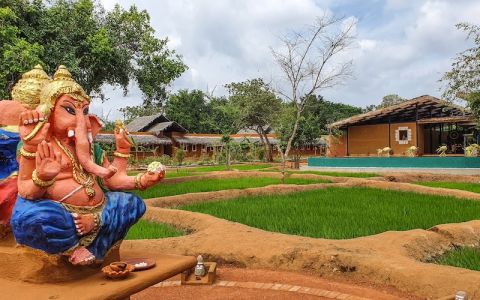
Ayurvie Sigiriya, Sri Lanka
Combines one-to-one consultations, daily treatments and yoga with a setting right in the island's Cultural Triangle, close to Sigiriya Rock and the Dambulla cave temple. A rasayana programme here also works well as part of a wider tour of the country, either at the start or the end of your trip.
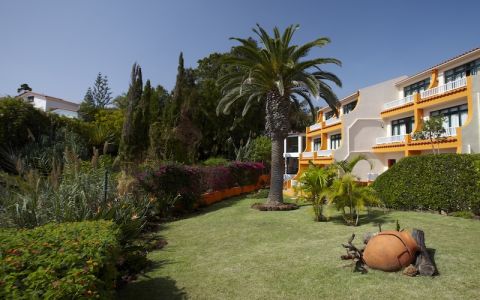
Alpino Atlântico, Madeira
Prefer to stay within Europe? This hotel offers an Ayurveda programme of at least 7 nights, including a consultation with the Ayurvedic doctor and daily treatments, just a short flight away rather than a long-haul trip to Asia. Its setting on Madeira's Atlantic coast also makes it a good match for anyone wanting to combine the programme with walking or time by the sea.
For panchakarma
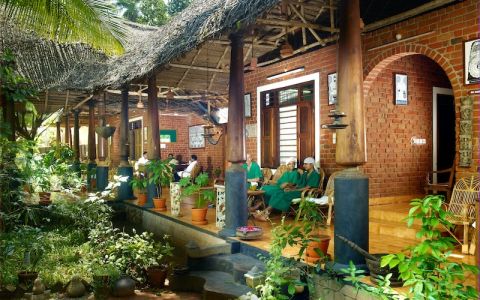
Somatheeram Ayurveda Village, India
More than 30 years of experience, and considered one of the first Ayurvedic resorts in the world. The programme is built entirely around the intake, with the same therapists assigned to you for the whole stay.
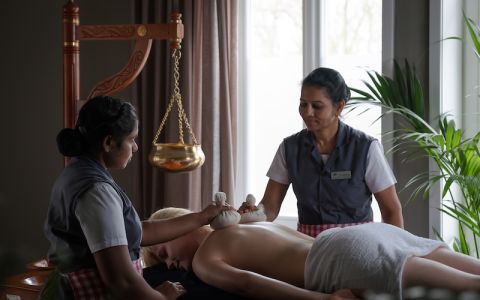
Retreat Park Am See Nattika, Germany
Prefer somewhere closer to home? This hotel runs a panchakarma programme on the shores of the tranquil Lake Tollense, with far less travel time but the same authentic treatment methods as in India.
For a medical programme
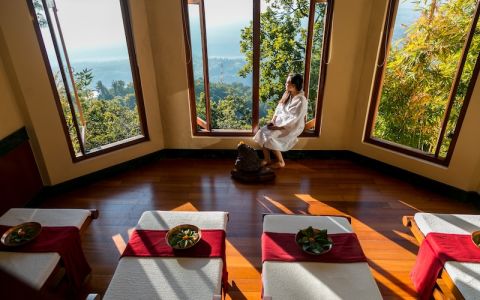
Ananda in the Himalayas, India
Runs in-depth programmes focused on areas such as immunity and joint recovery, combining Ayurveda, yoga and Traditional Chinese Medicine. Its setting in the foothills of the Himalayas adds to the sense of calm throughout the stay.
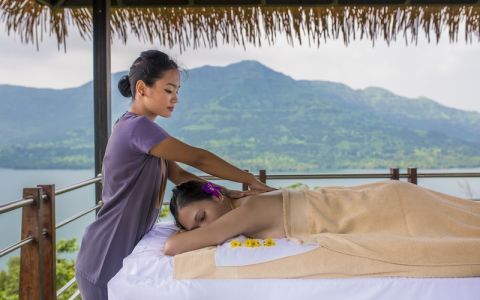
Atmantan Wellness Resort, India
Combines a medical Ayurveda-panchakarma programme with a Western, evidence-based approach. Blood tests and body composition analysis feed into the treatment plan, which is adjusted as the stay progresses.
The bottom line
There is no single right Ayurveda programme, only one that fits the time you have and the result you are after. Still unsure, or does none of these three quite match your situation? Our wellness experts have visited every hotel themselves and are happy to help you decide.
Frequently asked questions
Is it safe to travel to India or Sri Lanka right now? Yes. Both India and Sri Lanka are safe destinations to travel to. Flights often route via the Middle East, though alternative routes are available too. We are happy to help find the best flight route for you at the time of booking.
How many days does an Ayurveda programme take? This depends on the type. A rasayana programme usually takes around a week. Panchakarma requires at least 14 nights. A medical programme is determined case by case by the Ayurvedic doctor.
What is the difference between panchakarma and rasayana? Rasayana focuses on relaxation and prevention. Panchakarma is a deeper cleansing process, designed to clear the body of accumulated waste, and requires more time and preparation.
Can I follow an Ayurveda programme closer to home? Yes. A growing number of Ayurveda resorts in Europe, in countries such as Austria and Germany, now offer tailored programmes. The knowledge and treatment methods usually originate from India or Sri Lanka.
About Claudia
This blog is written by Claudia, who has been with PureandCure since 2018 and now works as Marketing & Product Manager. With an international background and strong attention to detail, she is a valuable part of our team. Claudia regularly visits Pureandcure destinations, health resorts, spas and retreats, and shares her experiences and insights in these blogs.