 +31 (0)20 573 03 50
 EN
EN NL
NL BE
BE
The Safest Countries for Women Traveling Solo
Women who travel the world in search of a health spa, boutique retreat or wellness hotel often ask themselves the same question sooner or later: is this destination safe for me as a woman traveling alone? Safety goes beyond crime on the streets. It also reflects how women are treated in a country, how well their rights are protected and the general environment female travelers move through. The way a society treats women often says more about a destination than any travel guide ever could.
For women, travel is never completely separate from the broader reality of a place. Whether traveling solo, with a friend or with family, the question of safety for women is always part of the decision. To understand this better, we looked at the Women, Peace & Security Index from the Georgetown Institute for Women, Peace and Security. This index ranks 181 countries based on three key areas: inclusion, justice and safety for women. While it is not designed as a travel ranking, it does give a clear picture of where women tend to live – and travel – more safely.
In the lead-up to International Women’s Day on the 8th of March 2026, we highlight a selection of countries where women are considered the safest according to the data, combined with insights we have gathered over more than 20 years of supporting solo female travellers.
Scandinavia: Leading the Rankings
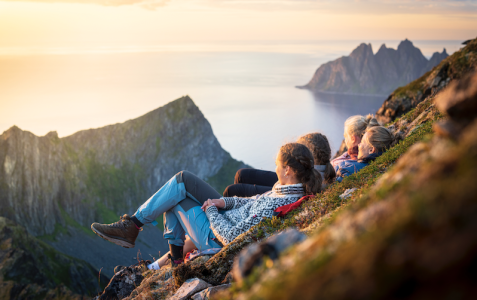
A look at the index reveals a clear pattern: the Scandinavian countries consistently rank among the safest places in the world for women. Denmark takes the top spot, followed by Iceland in second place. Norway and Sweden rank third and fourth, with Finland completing the top five. Women play an active role in society, equality laws are well established and levels of violence against women are comparatively low. For female travellers, this often translates into a strong sense of social safety—not just in public spaces, but also in everyday interactions. In our experience, Scandinavia and Northern Europe are also regions where women travel alone quite naturally, whether for work, a short city trip or a wellness retreat.
Luxembourg, Belgium and the Netherlands
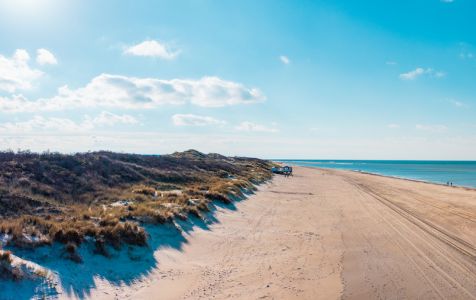
The Benelux countries rank just behind the Scandinavian nations, with the Netherlands taking place nr 8. A combination of strong legal protections, relatively low levels of violence and high economic participation among women contributes to this position. Well-developed infrastructure and reliable public transport also add to the overall sense of safety. For female travellers, this makes the Netherlands an accessible destination for solo travel. We also organise retreats in the Netherlands where women come to fully immerse themselves for a few days in relaxation, nature and time to unwind. Around half of our guests choose to travel alone, while the other half come together with a friend, sister, mother or daughter.
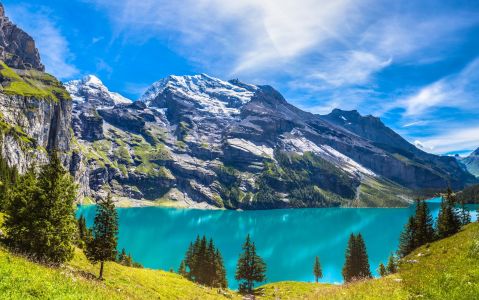
Austria and Switzerland
The Alpine countries also perform well in the Index. Austria ranks in the top 10, while Switzerland holds position 19 in the latest index, which evaluates 181 countries. Both countries combine political stability with strong legal protections and relatively low crime rates. Infrastructure is well organised, public transport reliable, and the overall social environment generally safe. Switzerland is well aware that it is a popular destination for female solo travellers and actively promotes this, for example through the '100% Women’s Only campaign', first launched around International Women’s Day in 2021. Austria and Switzerland are also among Europe’s key wellness destinations. Both are home to leading health resorts and medical spas—often operating under the supervision of Western-trained doctors—as well as holistic retreats such as Mandira Ayurveda Retreat.
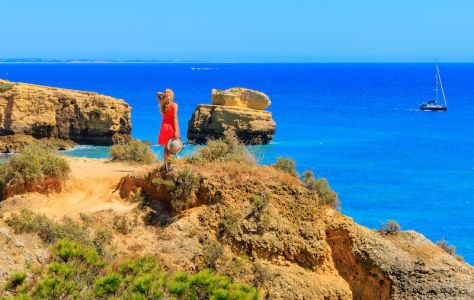
Portugal en Spain
Southern Europe ranks slightly lower in the index than Northern Europe, yet Portugal and Spain are still among the countries where women generally feel safe. Portugal is often cited as one of the safest countries in Europe, with relatively low levels of violence and a relaxed social culture. Spain also scores well in terms of safety and the social participation of women. For female solo travellers, both countries have long been popular destinations for wellness travel, yoga retreats and longer stays. The region offers a wide range of retreats, from renowned health spas and medical wellness centres to smaller boutique retreats focused on yoga, Ayurveda, sport and mental wellbeing. Combined with the mild climate, welcoming culture and outdoor lifestyle, it is easy for many women to feel comfortable travelling here on their own.
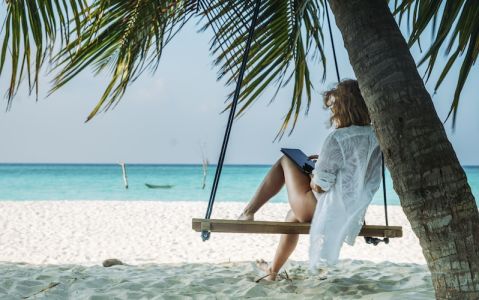
Thailand
Thailand has for many years been one of the most approachable destinations in Asia for women travelling alone. Much of the sense of safety travellers describe comes from the Thai people themselves. Their warmth, kindness and respectful attitude often make visitors feel comfortable soon after arrival. The country also has a well-established tourism infrastructure. Hotels, wellness resorts and retreat centres are used to welcoming international guests, many of whom travel solo. For us, Thailand has been the most important wellness destination for more than twenty years. The country offers an extensive range of retreats, from medical wellness programmes and detox retreats to yoga, meditation and holistic healing experiences. Combined with beautiful nature, hospitality and a long tradition of wellness practices, Thailand remains an inspiring destination for many female solo travellers.
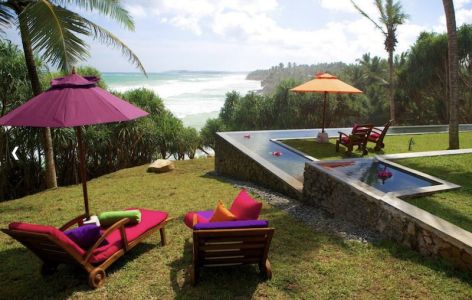
Sri Lanka
Sri Lanka may not rank among the top countries in the Women, Peace & Security Index, yet many female travellers still experience it as a welcoming destination. This perception is shaped less by statistics and more by the country’s culture. Hospitality is deeply rooted in Sri Lankan society, and tourism plays an important role in the local economy. Women travelling alone often say they feel welcomed and respected, particularly in the main travel regions and at Ayurveda retreats and wellness resorts. As with many destinations, location and context matter. In well-known tourist areas, coastal regions and established resorts, solo travellers often experience a very different atmosphere than in less visited parts of the country.
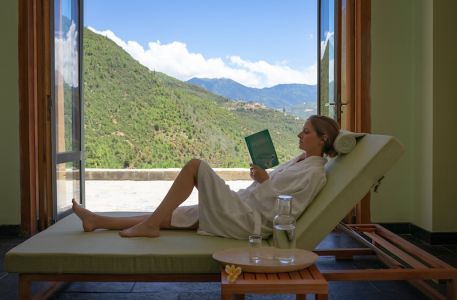
Bhutan
Bhutan is perhaps an unexpected country on the list. Many travellers describe it as one of the most peaceful and reassuring destinations in Asia. With a small population, strong social cohesion and a culture shaped by Buddhist values such as respect, balance and community, the atmosphere often feels calm and grounded. Tourism in Bhutan is also carefully managed: visitor numbers are intentionally limited and travel is organised through licensed local partners. This approach helps maintain a quiet and structured travel environment, something many solo travellers appreciate. Women travelling alone often say that Bhutan feels easy to navigate and comfortable to explore. Not because risks are absent, but because the social atmosphere tends to feel more relaxed and respectful than in many other places. The combination of nature, spirituality and a slower pace of travel is what makes Bhutan such a distinctive destination for many female solo travellers.
Safety Beyond the Numbers
Safety can never be measured by numbers alone. How a destination is experienced also depends on culture, surroundings and personal circumstances. Still, the Women, Peace & Security Index offers valuable insight into how countries treat women—and that often reflects how safe and welcome female travellers are likely to feel. Over more than twenty years of working with solo travellers, we have seen the same pattern repeatedly: when a country scores well on women’s rights, equality and safety, travellers often notice this in everyday life as well.Perhaps that is the most important message in the lead-up to International Women’s Day: the world is gradually becoming more open to women travelling on their own—whether for adventure, rest or simply a few days away from the pace of daily life.
Interested in discovering our solo-friendly destinations?
Our wellness travel experts are happy to advise you on retreats and health resorts where you can travel solo and feel completely at ease.
Over Marleen
This blog is written by Marleen, founder of PureandCure.com (established in 2005). She travels around the world in search of the best Health & Wellbeing Hotels, Spas and Retreats and shares her insights, experiences and observations through her blogs.