 +31 (0)20 573 03 50
 EN
EN NL
NL BE
BEMedical, Health & Recovery
Focused and problem solving...
Discover our medical spas and health resorts, designed to support healing and recovery. PureandCure, health travel experts since 2005, offers tailored health retreats focused on restoring vitality and boosting energy. We have listed specialized wellbeing packages, designed under the supervision of doctors and professional therapists. While a wellbeing holiday is often about rest and relaxation, a health-focused holiday can go further, providing support for issues such as poor sleep, smoking cessation, digestive problems, joint conditions, or recovery after a disease. These programs combine medical expertise with a personalized approach, often integrating Western medicine, holistic Eastern methods, or a combination of both. These wellness holidays are designed not just to provide rest, but to restore balance, alleviate symptoms, and promote long-term well-being.
Read moreInsiders tips
Discover all our Medical holidays
5
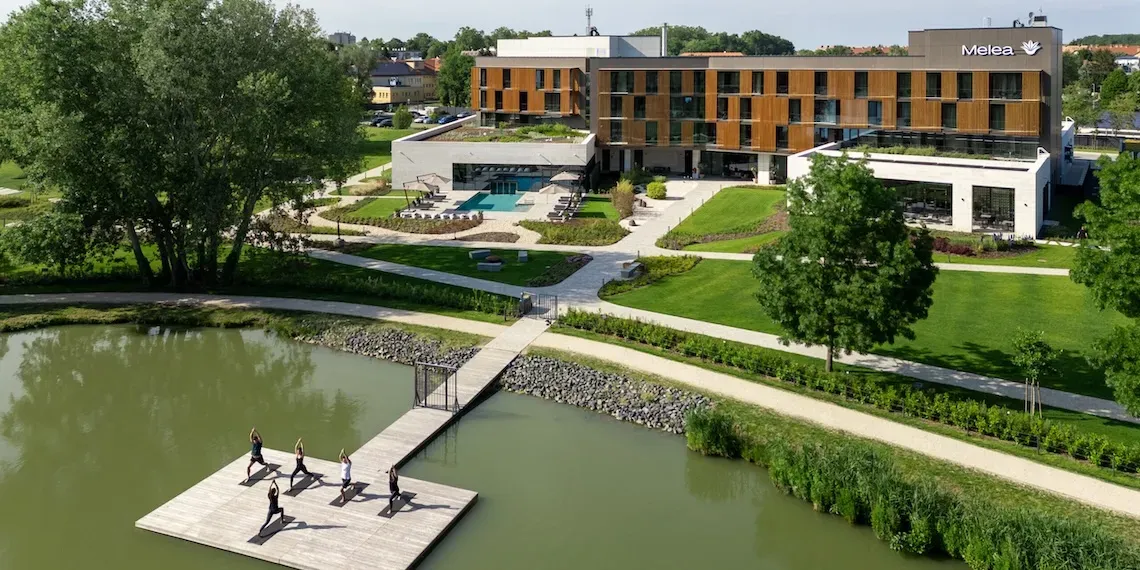
Melea The Health Concept, Hungary
Located on the shores of the romantic Csónakázó Lake, this five-star adults-only resort focuses on prevention, longevity, and inner balance. Modern medical expertise goes hand in hand with holistic therapies, nutrition, and wellness.
Stay without a programme
Not sure which programme you want, or would you prefer to create your own? You can also choose to book only your stay and decide on-site what suits you best
from € 125 p.p.
Prevention and Regeneration
Prevention starts with insight into your own health. Comprehensive surveys and advanced diagnostic tools identify risk factors for common conditions, translated into practical and actionable advice
from € 1125 p.p.
Leadership Performance
Peak performance starts with a healthy body and a clear mind. This programme offers leaders personalised solutions to improve their health, energy levels and performance
from € 1125 p.p.
Mental Balance
Mental well-being requires support on multiple levels. This programme offers effective solutions for everyday challenges such as stress and burnout, while strengthening motivation, resilience and mental balance from within
from € 1125 p.p.
5
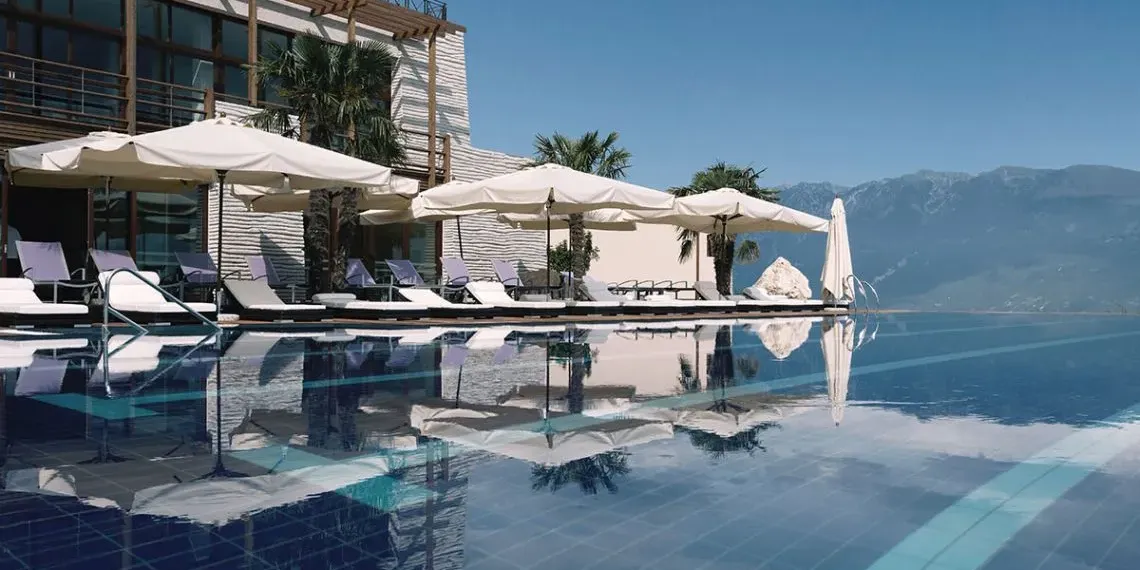
Lefay Lago di Garda, Italy
One of Italy's top hotels, perched above Lake Garda and roughly a 90-minute drive from Verona, offers stunning panoramic views in every direction. Lefay is renowned for its focus on traditional Chinese medicine.
28 Reviews
Relax
Take time for yourself, slow down and truly relax. These relaxation programmes calm body and mind and help you let go
from € 200 p.p.
Renew yourself
Recharge yourself inside and out. These holistic programmes promote vitality, beauty and immune health
from € 3500 p.p.
5
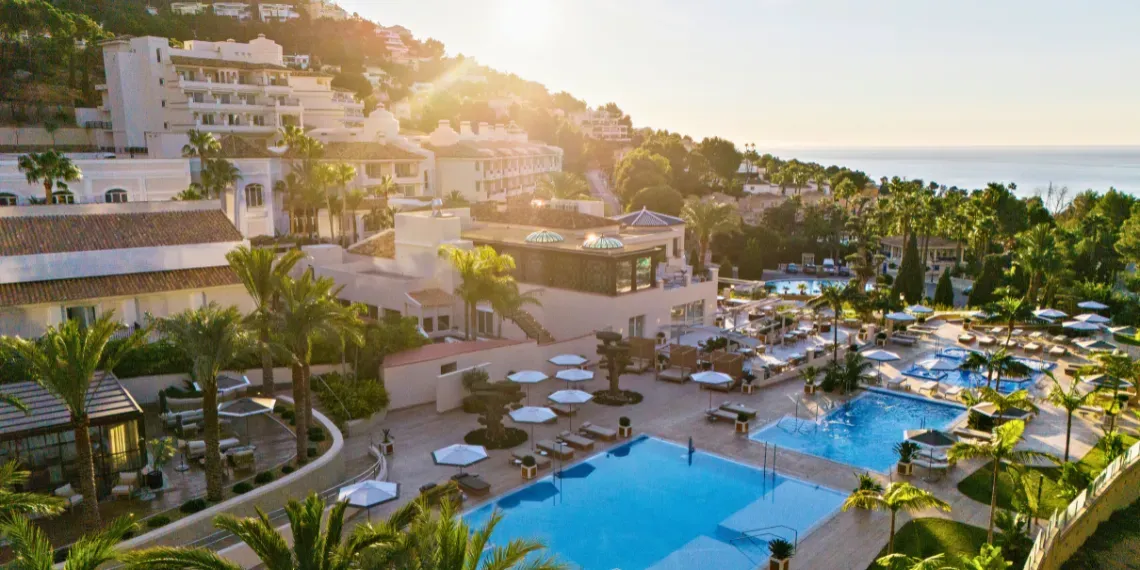
ZEM Wellness Clinic, Spain
Set in the hills above Altea on the Mediterranean, ZEM Wellness Clinic Altea is a longevity clinic integrated within a 5 Grand Luxury hotel, where clinical expertise, nutrition, movement, recovery and wellness work together as one integrated system.
Stay without a programme
Enjoy Mediterranean comfort and the organic cuisine of Finca Althaya without a fixed programme. Add spa treatments of your choice and stay at your own pace in the hills of Altea, from 1 night.
from € 475 p.p.
Medical Wellness & De-Stress
Clinical programmes integrating medical diagnostics, Mediterranean nutrition and restorative therapies for deep physiological recovery. Balance, immunity and neural restoration as a clinical foundation, from 3 nights
from € 3294 p.p.
Longevity & Anti-Aging
Advanced longevity and aesthetic programmes optimising cellular health, cognition and skin quality. Preventive precision medicine and regenerative therapies for sustained vitality, from 3 nights
from € 4194 p.p.
Detox & Weight Management
Clinically guided programmes resetting the metabolism and supporting cellular renewal. Mediterranean nutrition, clinical protocols and advanced therapies for sustainable results, from 7 nights.
from € 7394 p.p.
5
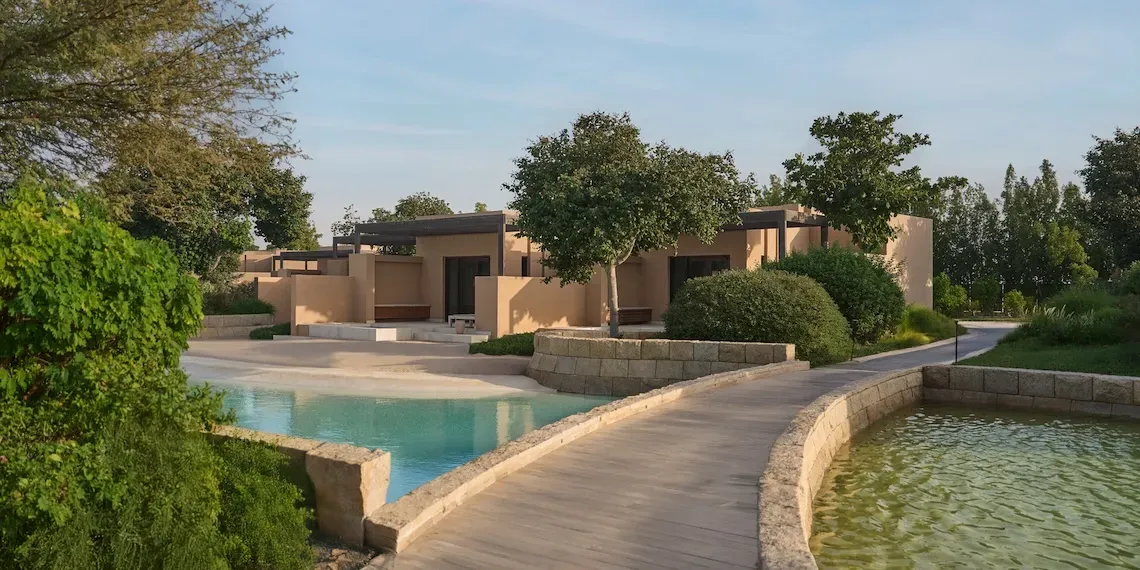
Zulal Wellness Resort, Qatar
Thailand's renowned health spa, Chiva-Som, has expanded to the tranquil northern area of Qatar with Zulal Wellness Resort. Expect the same high level of holistic programs, services, treatments, and cuisine that Chiva-Som is famous for.
8 Reviews
Relax and De-stress
Relax and restore at Zulal Wellness Resort with programmes that bring back balance and energy through spa, mindfulness and holistic care.
from € 573 p.p.
Pain Management
Address pain with science-based therapies and targeted exercises.
from € 1411 p.p.
5
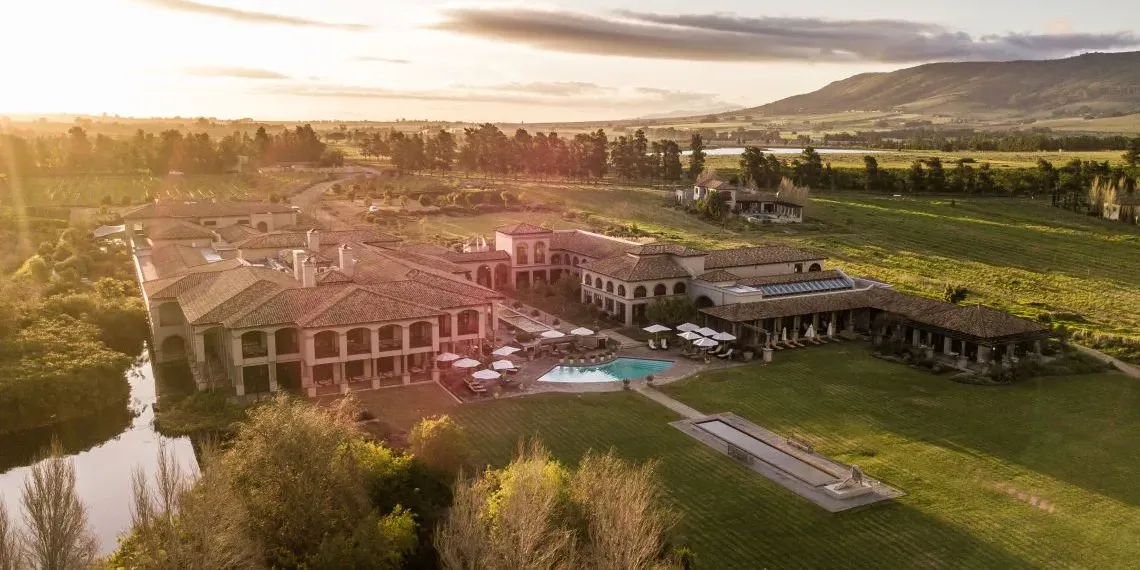
Santé Wellness Retreat & Spa, South Africa
Santé Wellness Retreat & Spa combines high-tech wellness and luxury with views of the magnificent Drakenstein mountains. It features three healing centers under one roof: a Health Optimising Clinic, a Day Spa, and the Bio-Energy Centre.
1 Review
Relax
Release tension and recharge. From short boosters to programmes focused on renewal and vitality, here you will find ultimate relaxation
from € 800 p.p.
Detox & Weight loss
Cleanse and strengthen your body. These programmes support detox, boost energy and help you reach a healthy weight with lasting results.
from € 4000 p.p.
5
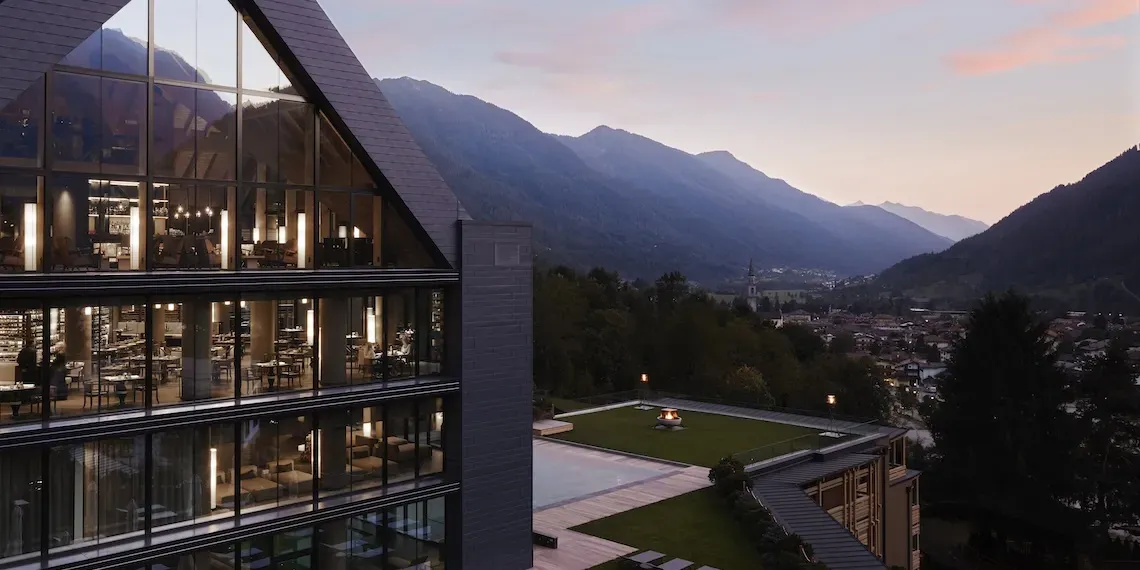
Lefay SPA Dolomiti, Italy
A luxurious five-star wellness retreat in the Dolomites, just two hours from Verona. Lefay features a stunning three-story design spa, world-class cuisine, and plenty of outdoor activities in a breathtaking mountain setting.
15 Reviews
Osteopathy
Osteopathy restores harmony between body, mind and spirit through targeted manual techniques. The programme reduces pain, improves joint function, treats physiological dysfunctions and supports optimal nerve transmission, from 3 nights.
from € 950 p.p.
5
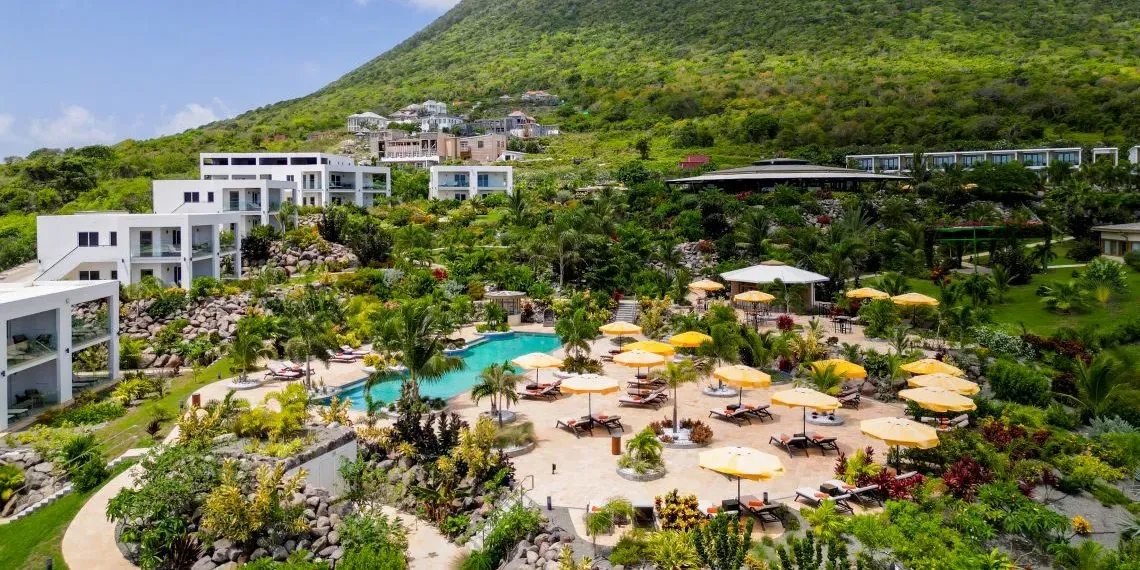
Golden Rock Resort, Sint Eustatius
St. Eustatius is the hidden gem of the Caribbean. At Golden Rock Dive & Nature Resort, you'll experience luxury, nature, relaxation, and adventure – for an authentic and unforgettable island getaway.
2 Reviews
Tinnitus Relief Therapy
Experience the most powerful laser therapy for tinnitus and hearing loss. An innovative and holistic approach, specifically designed to restore hearing and reduce tinnitus symptoms.
from € 1198 p.p.
5
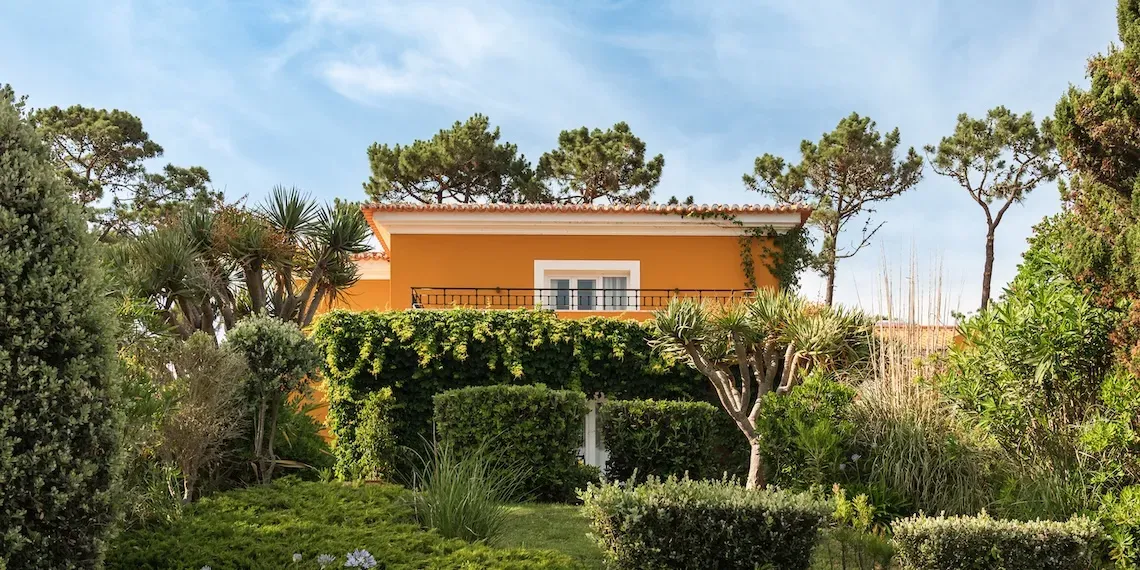
Longevity Senses, Portugal
Longevity Senses Cascais is an adults-only hotel combining boutique comfort with extensive wellness and health facilities. Enjoy panoramic views of the Atlantic Ocean, a full-service spa and an exclusive setting designed for relaxation and wellbeing.
2 Reviews
Longevity & Well-Ageing
A healthy lifestyle starts with taking care of yourself. From beauty to vitality, discover programmes that support your health and radiance at any age
from € 1299 p.p.
4
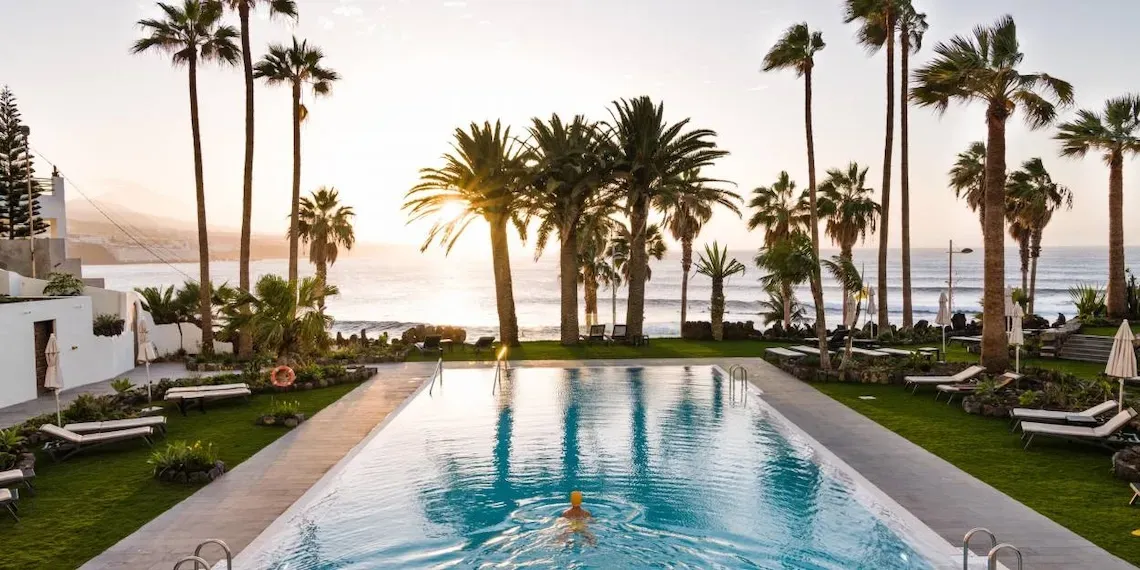
OCEANO Health Spa Hotel, Canary Islands
You are in excellent hands for a F. X. Mayr, Ayurveda or thalasso programme at the authentic family hotel, OCÉANO Health Spa Hotel
47 Reviews
Anti Ageing
from € 1613 p.p.
Fitness & Active Health
Relieve back pain or boost fitness with therapies, exercise and relaxation. For those who are seeking strength, recovery and renewed energy
from € 1818 p.p.
5
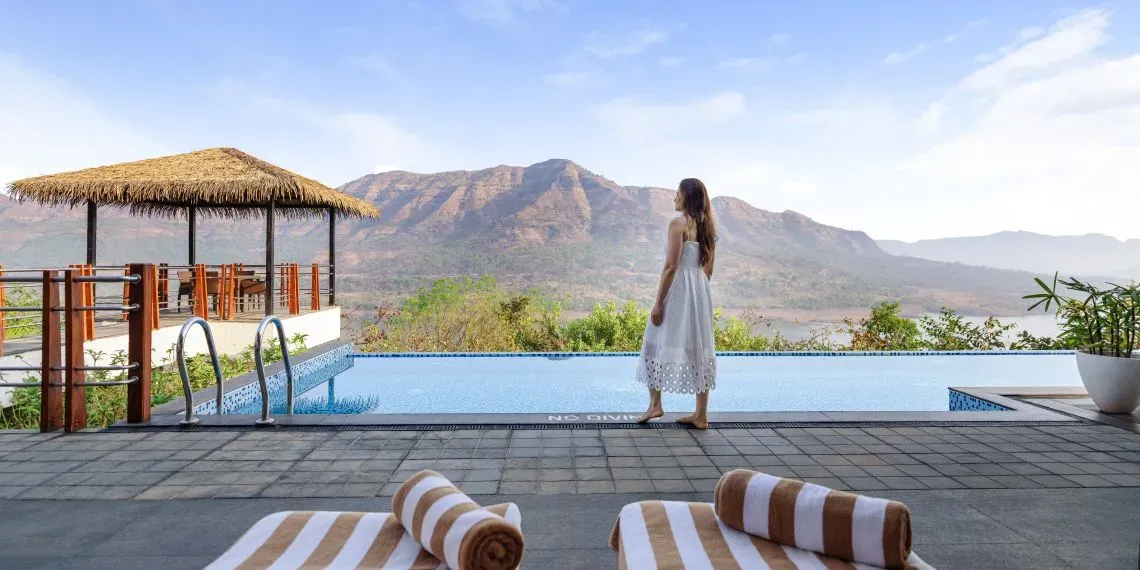
Atmantan, India
At Atmantan Wellness Resort, traditional Eastern medicine with a state-of the art spa meets ultra-modern fitness facilities meets Western medical knowledge. The overarching goal is not just to experience a sense of well-being but to genuinely own it.
22 Reviews
Restorative Physiotherapy
Restore your body with medical physiotherapy focused on pain relief and better mobility. Ideal for injury recovery, poor posture or neurological issues
from € 1875 p.p.
5
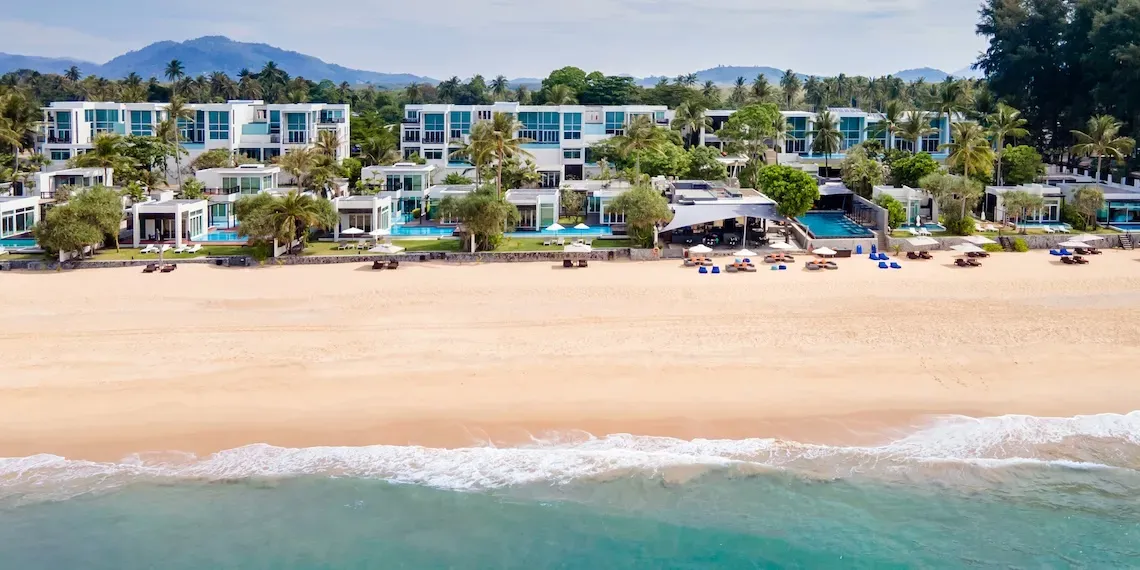
Aleenta Phuket Resort & Spa, Thailand
Boutique luxury on a quiet stretch of southern Thailand, far from Phuket's crowds. Bespoke wellness programmes and a setting built around calm make Aleenta a place for a genuinely restorative reset.
1 Review
Healthy Longevity & Pain Relief
Focused on long-term health, mobility and comfort. These retreats support vitality and pain relief through natural therapies, functional recovery and lifestyle practices for lasting wellbeing.
from € 2025 p.p.
4
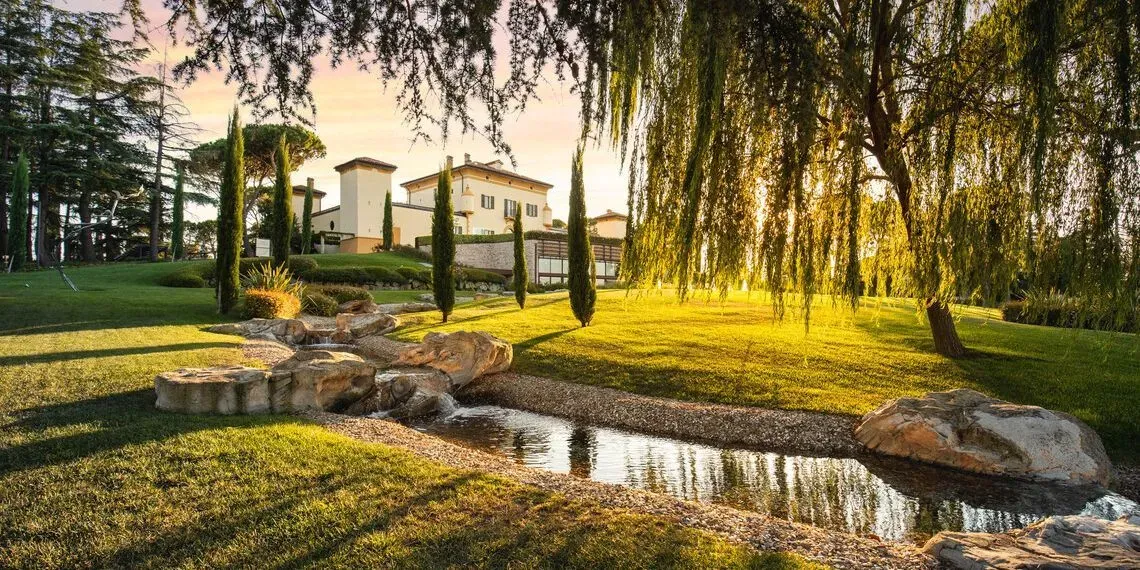
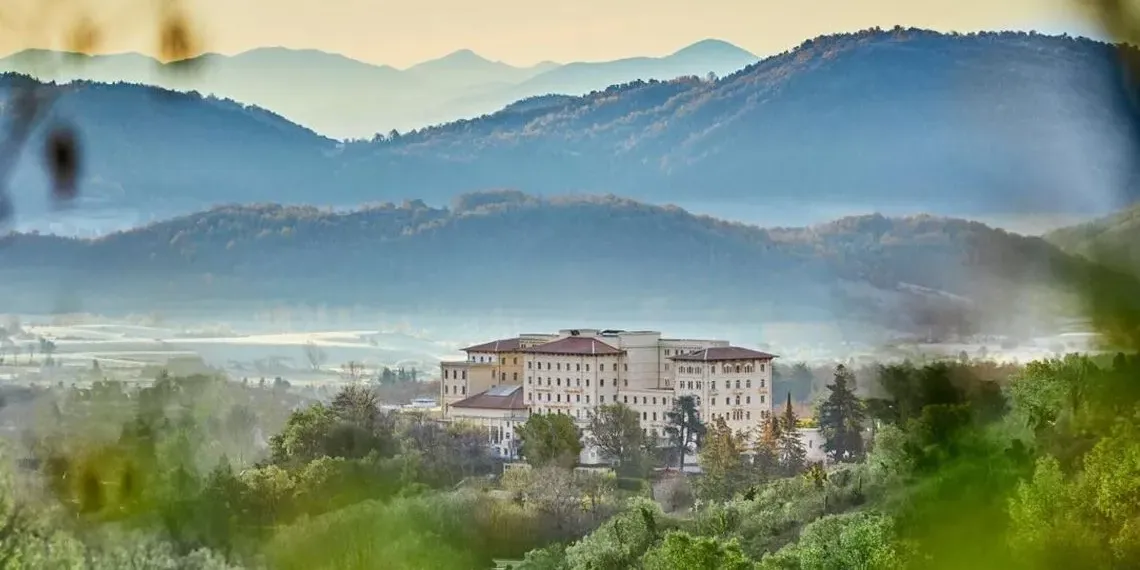
Palazzo di Varignana, Italy
A sophisticated retreat nestled in the heart of the Italian countryside, just 30 minutes from Bologna. Featuring one of Italy’s most top-rated spa's, it offers specialised wellness programs based on the Acquaviva Method.
11 Reviews
Women's Health
Radiant woman focused on improving women's health through healthy and mindful eating, holistic treatments, yoga, relaxation and skin check-ups. From 4 nights.
from € 2130 p.p.
5
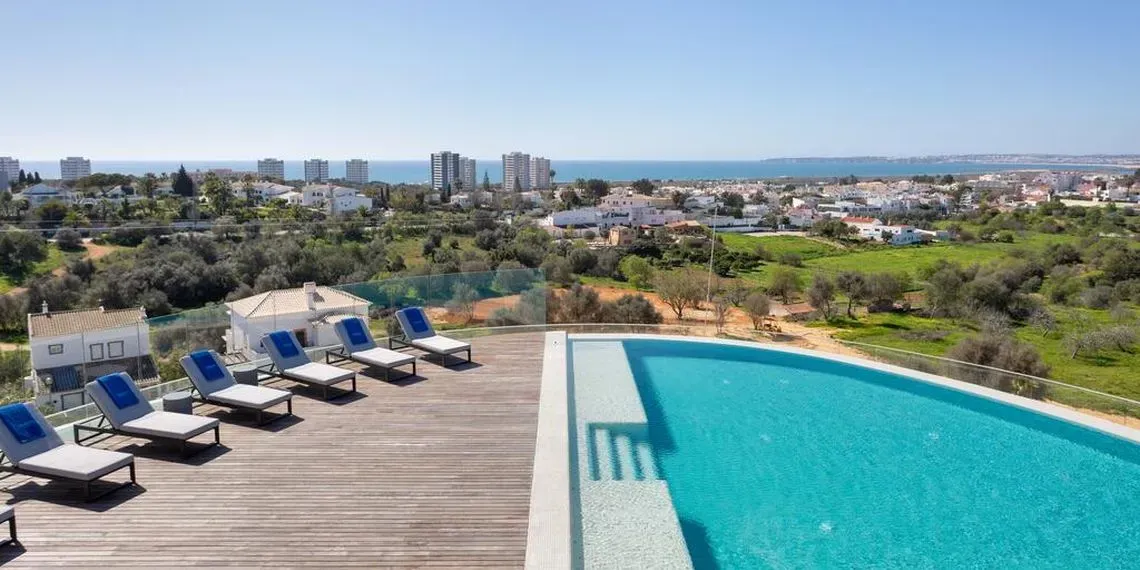
Longevity Wellness Hotel, Portugal
Adults-only spa and wellness hotel with sea views in the Algarve. Enjoy a relaxing stay with treatments, healthy cuisine and activities, or opt for a medically guided programme for healthy ageing, detox or weight loss.
20 Reviews
Health Optimisation
Boost your health with programmes for sleep, heart, metabolism, diabetes and vitality. Holistic therapies restore balance in body and mind
from € 2243 p.p.
4
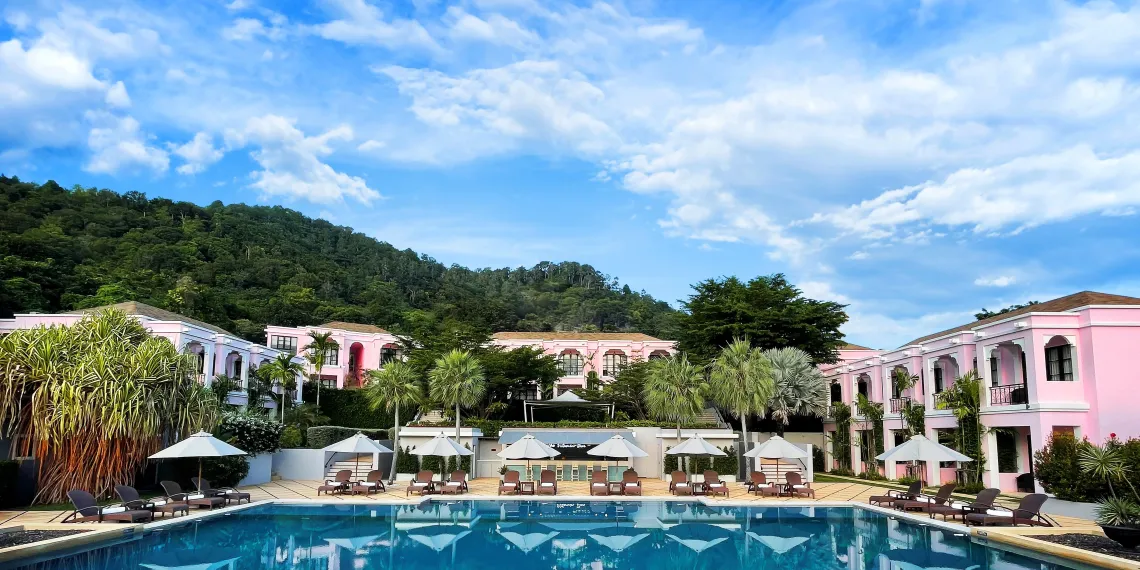
Absolute Sanctuary, Thailand
This stunning boutique wellness & longevity hotel, with its Mediterranean-inspired architecture, is a true paradise for yoga, detox, fitness, and Pilates enthusiasts. It is located on the tropical island of Koh Samui in Thailand.
24 Reviews
Women's & Men's Health
Personalised programmes for women and men addressing physical, emotional and hormonal health. Combining movement, nutrition, therapies and coaching for meaningful and lasting transformation, from 6 nights.
from € 2470 p.p.
4
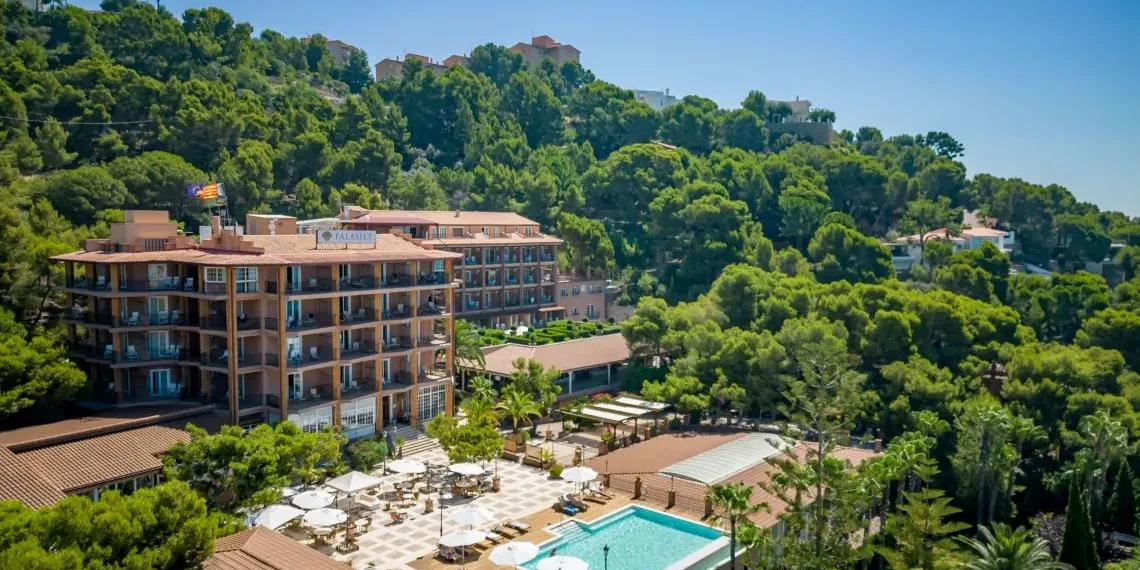
Palasiet Wellness Clinic, Spain
A family-operated thalasso hotel located in a charming 19th-century villa by the beach, which is less than an hour's drive from the vibrant city of Valencia.
12 Reviews
Longevity & Health
Support your body through menopause or ageing with expert care, nutrition, movement, and therapies designed to improve your quality of life
from € 2565 p.p.
5
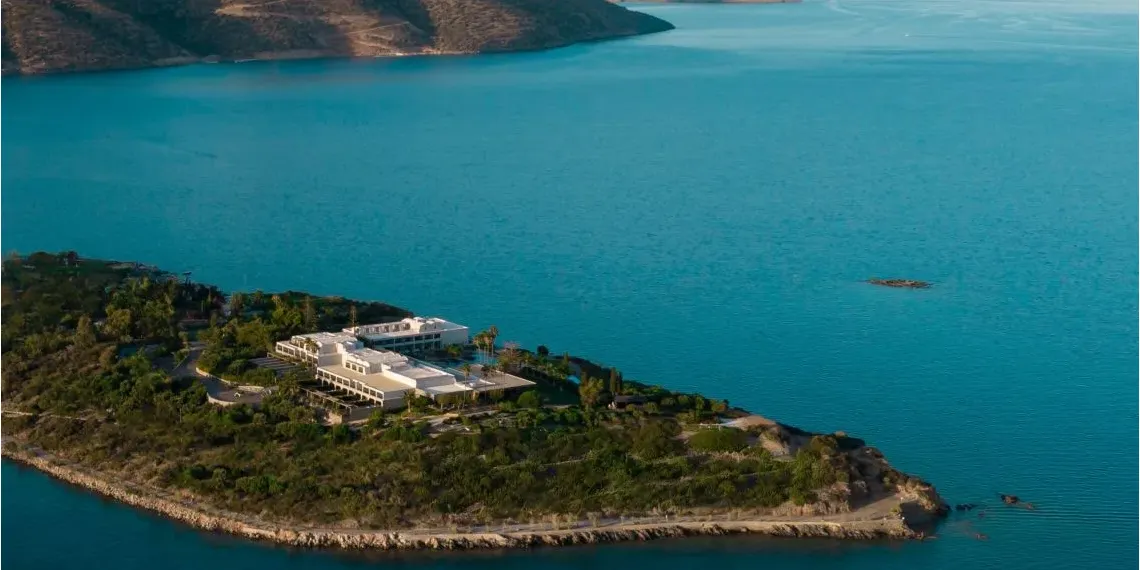
Minos Palace Resort, Greece
Minos Palace brings together location, design and wellness in a way few resorts manage. Set on a peninsula with a private Blue Flag beach, sleek minimalist interiors and the NAO Longevity Hub, this adults-only retreat on Crete is in a league of its own.
1 Review
Medical longevity
Personalised longevity programmes combining advanced diagnostics, expert consultations, targeted therapies and lifestyle interventions designed to support healthy ageing and measurable wellbeing outcomes
from € 2684 p.p.
5
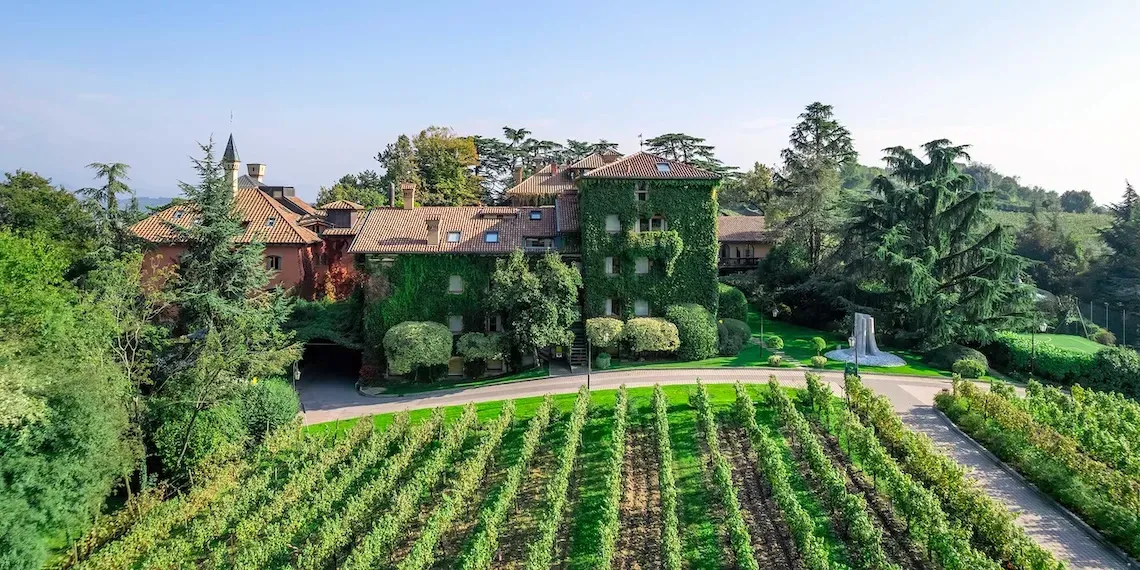
L'Albereta, Italy
The Chenot Espace is an exclusive medical spa with a team of specialists, in an elegant and intimate villa surrounded by Italian countryside.
Chenot Detox
Detox and restore your body with the innovative Chenot Method. Perfect for those looking to reset their energy levels, purify the body, and restore natural balance
from € 2800 p.p.
5
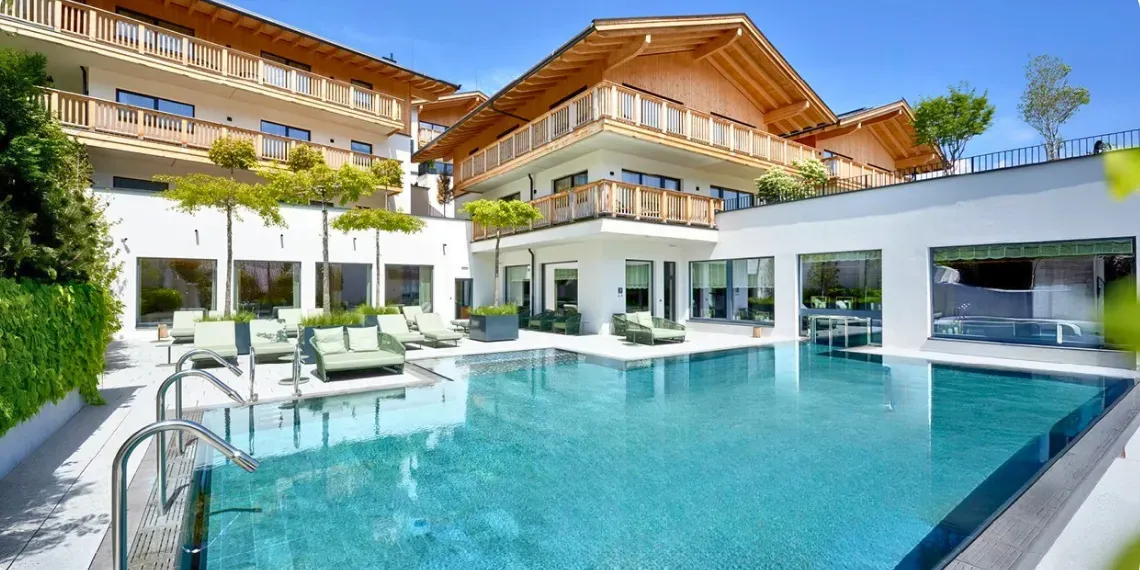
Mount Med Resort, Austria
A medical spa and adults-only mountain resort offering personalised programmes focused on health, longevity, aesthetics, mobility and overall quality of life.
2 Reviews
Medical diagnostics and healthy lifestyle
Combine preventive diagnostics with a personalised programme. Gain clarity on your health status through a structured, efficient process and leave with a clear plan to support your long-term wellbeing.
from € 2916 p.p.
Aesthetics & Age Reverse
Preserve your natural beauty through medical precision and innovative technologies. Individually tailored treatments support skin regeneration, reduce visible signs of ageing, and leave you with a fresh, revitalised appearance
from € 4752 p.p.
Mobility, Movement & Pain Relief
Improve mobility, strength and pain-free function through diagnostics-led orthopaedic care and functional movement. Whether addressing chronic pain or enhancing physical resilience, each programme is individually tailored to your specific needs
from € 5390 p.p.
5
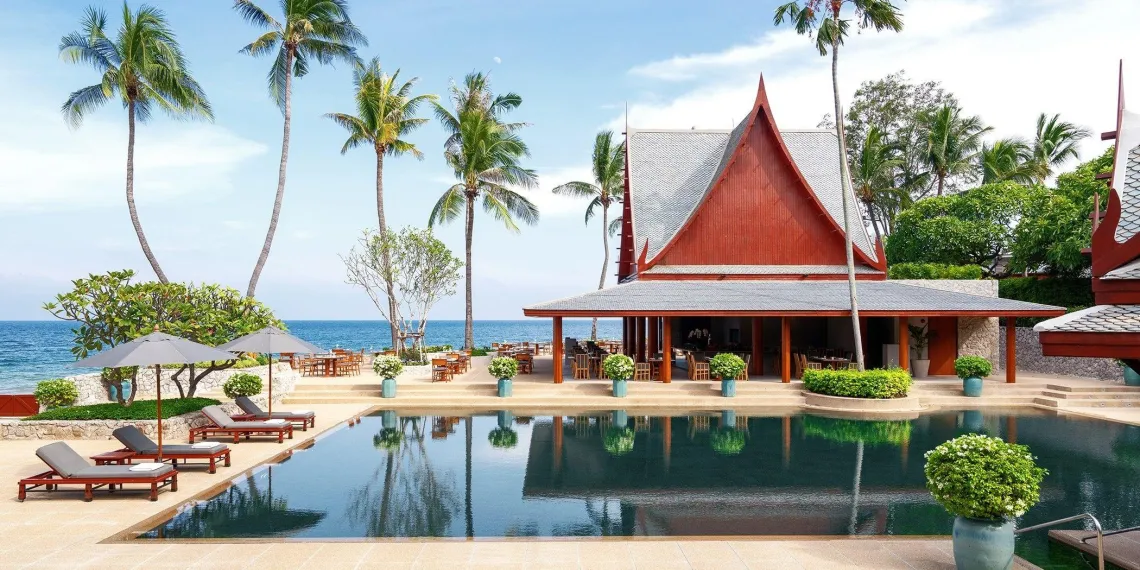
Chiva-Som Health Resort, Thailand
Chiva-Som, on the sandy beach of Hua Hin, is renowned as one of the most beautiful holistic resorts in Asia. A pioneer in wellness since 1995, it offers more than 150 treatments and specialised programmes in a luxurious five-star Thai setting.
8 Reviews
Recovery, rehabilitation and pain management
Support for recovery, pain and chronic conditions with naturopathy and relaxation.
from € 3000 p.p.
5
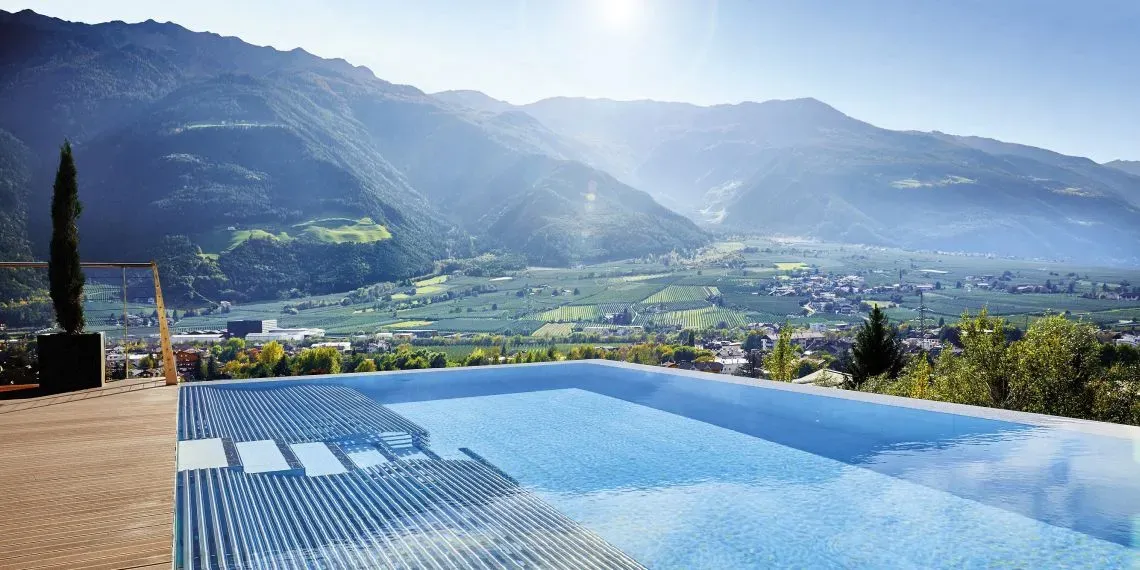
Preidlhof, Italy
This award-winning, adults-only resort, located in the Dolomites about two hours from Verona, offers a holistic spa approach and is ideal for outdoor activities, exercise, very good food and relaxation.
6 Reviews
Women's Health
Discover balance and vitality with personal consultations, massages, holistic sessions and luxury spa facilities
from € 3120 p.p.
5
Palazzo Fiuggi, Italy
This renowned medical spa is just an hour’s drive from Rome. It combines world-class medical wellness programs with holistic therapies, therapeutic mineral water, and an outstanding gourmet dining experience.
10 Reviews
Wellness
Restore energy and balance with programmes that reduce stress, improve sleep and strengthen the body for a vital daily life
from € 3138 p.p.
Longevity
Extend not just your lifespan but your healthy years. With food as medicine and a personalised approach, ageing processes are slowed
from € 10468 p.p.
Recovery & Performance
This programme is designed to support in a full physical recovery after surgery or injury. Palazzo Fiuggi offers medically guided pathways tailor made to your needs.
from € 11268 p.p.
5
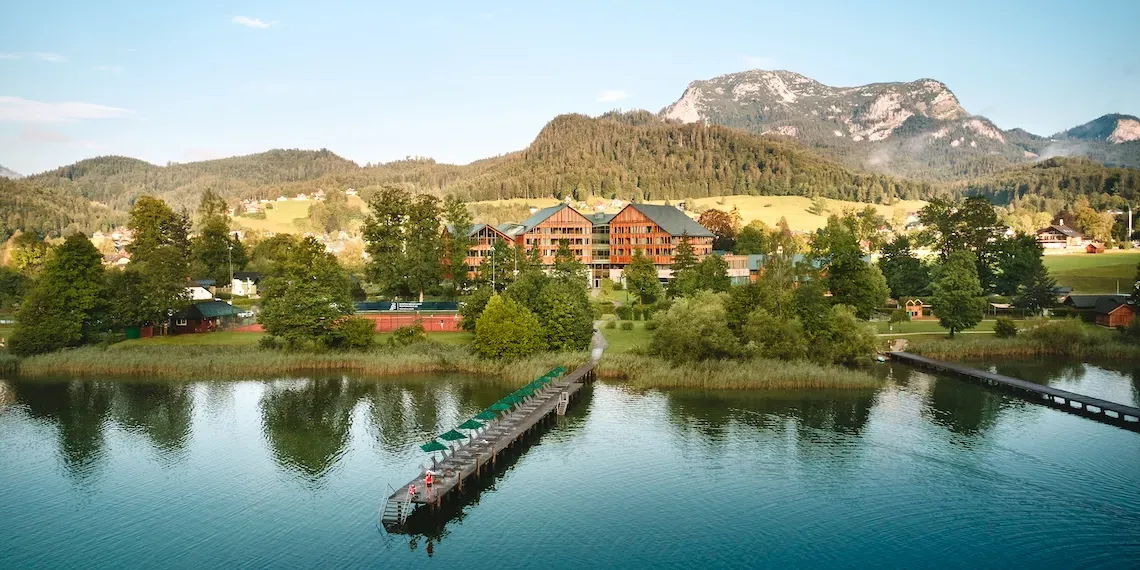
MAYRLIFE, Austria
MAYRLIFE Medical Health Resort combines modern medical expertise and technologies with the traditional Dr. F.X. Mayr method in a sporty location in the beautiful Austrian Alps.
4 Reviews
Longevity and Healthy aging
Healthy aging starts with understanding what your body needs for the long term. MAYRLIFE uses advanced diagnostics and personalised therapies to support vitality, cellular health and quality of life from 7 nights
from € 3200 p.p.
Dr Mayr Detox
The Mayr approach forms the foundation of MAYRLIFE, with gut health at the heart of overall wellbeing and recovery. Personalised nutrition, medical treatments and lifestyle guidance support detox, regeneration and vitality from 7 nights
from € 3200 p.p.
Anti-inflammation
Inflammatory processes can affect many aspects of your health. At MAYRLIFE, your health and potential triggers are assessed in detail, followed by targeted nutrition and therapies to support your body from 7 nights
from € 4505 p.p.
5
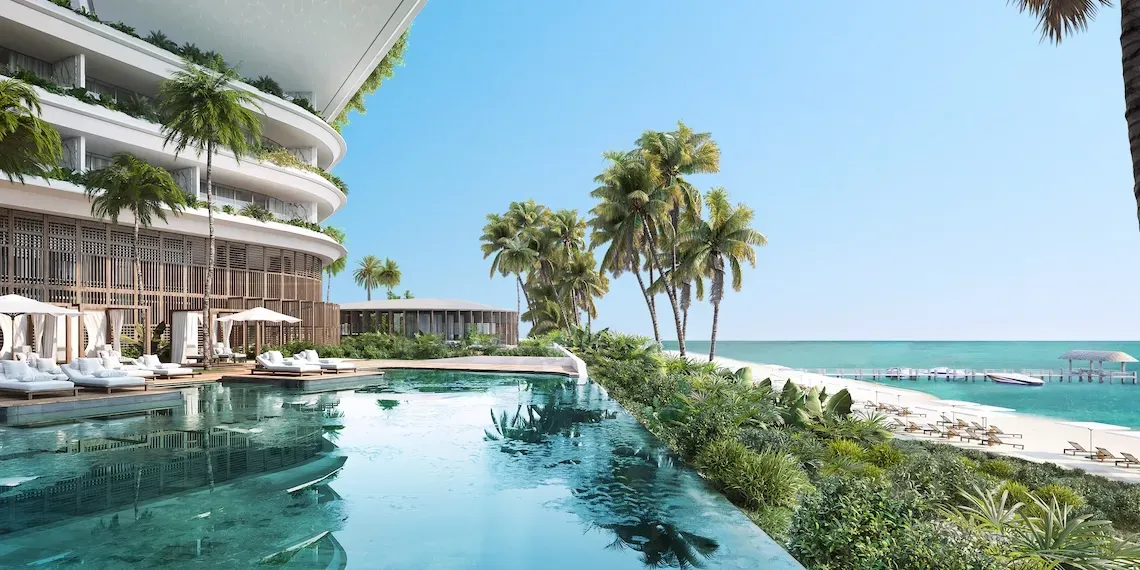
SHA Mexico, Mexico
Brand new award-winning medical spa with an integrated approach - sister to the SHA Wellness Clinic in Spain - nestled in the tropical nature on the Caribbean coast of Mexico.
Stay your way
Not ready to commit to a programme? Book your stay your way and personalise your SHA journey on-site with help from the expert team
from € 3404 p.p.
Rebalance & Energise
Recharge and rebalance. Rebalance & Energise boosts your energy at a cellular level, while Sleep Well addresses the root of sleep issues. Both help restore vitality and promote deep, lasting rest
from € 3584 p.p.
Quit smoking
Quit smoking naturally with expert medical care, personalised therapies and healthy habits that ease withdrawal, prevent relapse and boost motivation
from € 3719 p.p.
Healthy Lifestyle
Invest in long-term wellbeing with Advanced Longevity, Women’s Health or Cognitive Boost. Each programme enhances ageing, brain health or hormonal balance through personalised, cutting-edge care
from € 4574 p.p.
Executive Health & Performance
Designed for high performers, this intensive plan strengthens body and mind using both scientific and holistic treatments to boost energy and resilience
from € 4772 p.p.
5
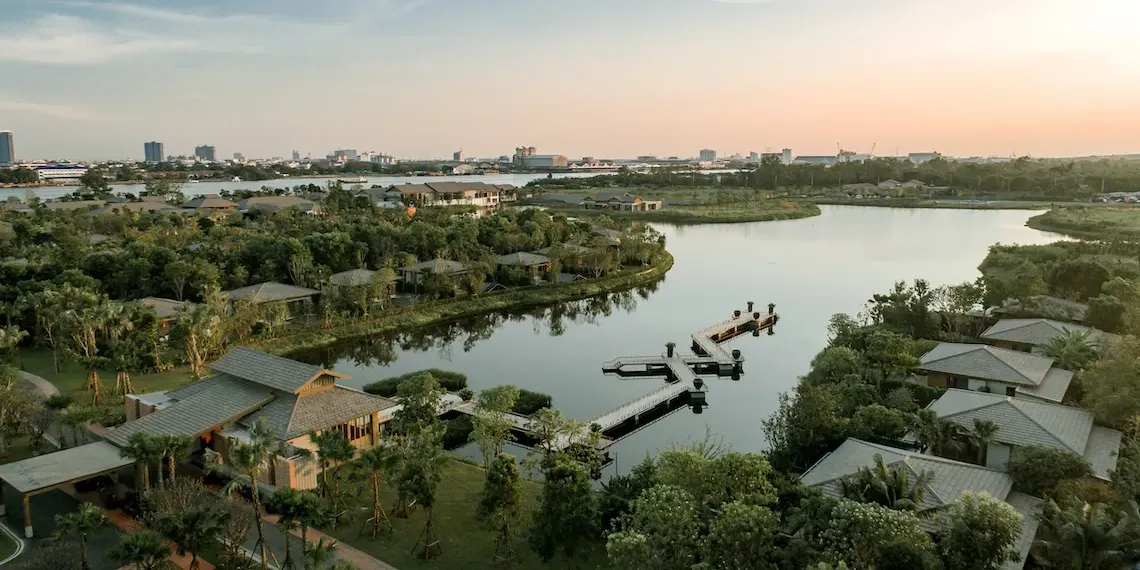
RAKxa, Thailand
RAKxa combines medical expertise with holistic therapy in 85 hectares of tropical greenery, surprisingly close to Bangkok. With health tests and tailored programmes led by doctors and specialists focused on weight loss, healthy aging, and prevention.
7 Reviews
Personalised Wellness
For a fully personalised retreat, this programme is tailored to your goals and wellbeing needs. Holistic and medical insights combine to create your unique path to vitality.
from € 3600 p.p.
Women's Health
A holistic approach to women’s wellbeing. Tailored therapies support hormonal balance, vitality and emotional health at every life stage, helping women feel energised, radiant and in harmony
from € 7750 p.p.
Aesthetic and healthy aging
A holistic approach to beauty and ageing well. From skin rejuvenation to longevity care, tailored therapies restore radiance, balance and vitality while supporting health and beauty inside and out.
from € 8200 p.p.
Physical recovery
Recover physical function after injury, surgery or a sedentary lifestyle. Personalised physiotherapy and assessments restore mobility, strength and coordination.
from € 9900 p.p.
5
Ananda in the Himalayas, India
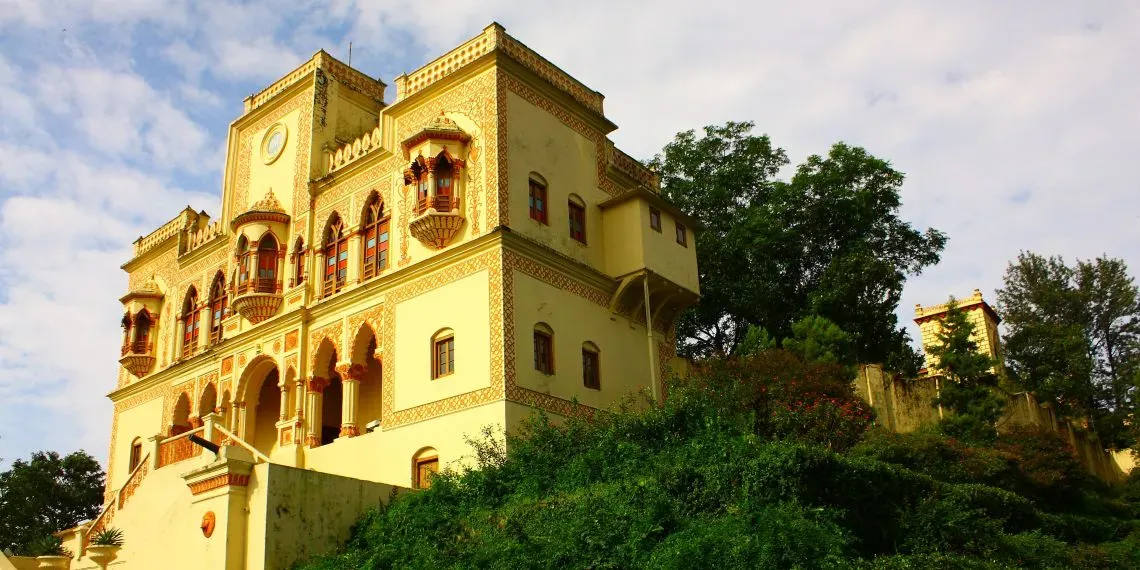
Ananda in the Himalayas is ranked among the top 10 Wellness Retreats globally, at 30 mins from Rishikesh, and offering transformative experiences through Ayurveda, Yoga, Meditation, Traditional Chinese Medicine (TCM), and Physiotherapy.
25 Reviews
Pain Management / Physiotherapy
Reduce chronic pain with physiotherapy, Ayurveda and yoga. For relief from back, joint or muscle pain and improved mobility
from € 3615 p.p.
Hormonal Balance
Three holistic programmes to support hormonal balance, fertility and menstrual health through Ayurveda, detox and yoga
from € 3615 p.p.
Diabetes Management
Ananda’s Diabetes Management Programme supports blood sugar regulation, weight control and energy recovery. With personalised care and guidance, it helps build a foundation for lasting health and well-being.
from € 7230 p.p.
5
Six Senses Kaplankaya, Turkey
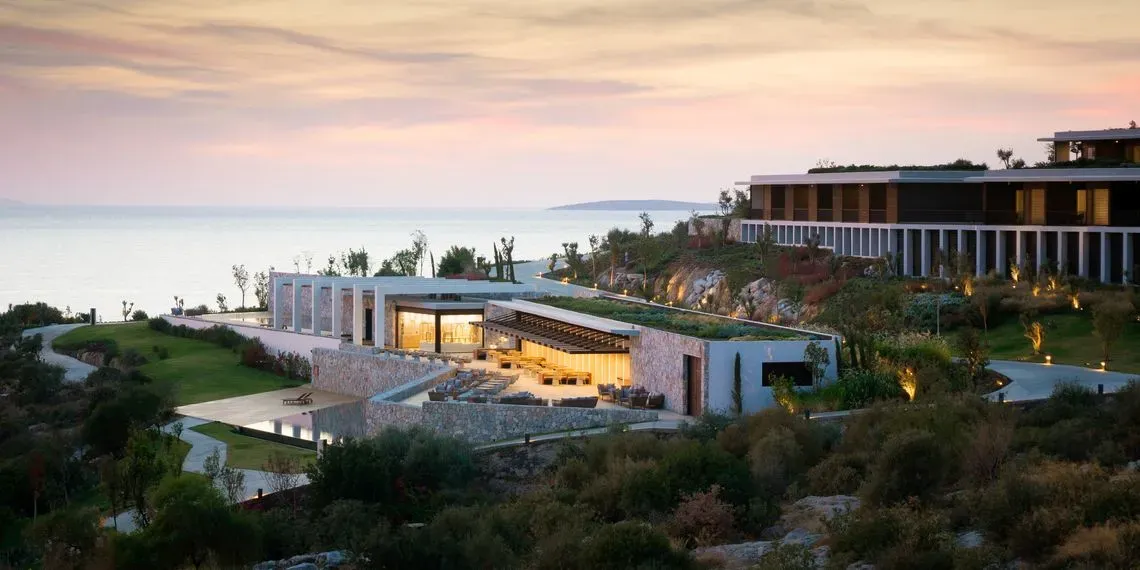
This resort on the beautiful Aegean coast is the epitome of luxury. It's stylish and modern, with a wide range of facilities and activities, including a top-notch spa and a spacious fitness center in the first-rate wellness center.
9 Reviews
Longevity
For those who want it all: yoga, fitness, meditation, cell therapy and deep relaxation
from € 3750 p.p.
5
SHA, Spain
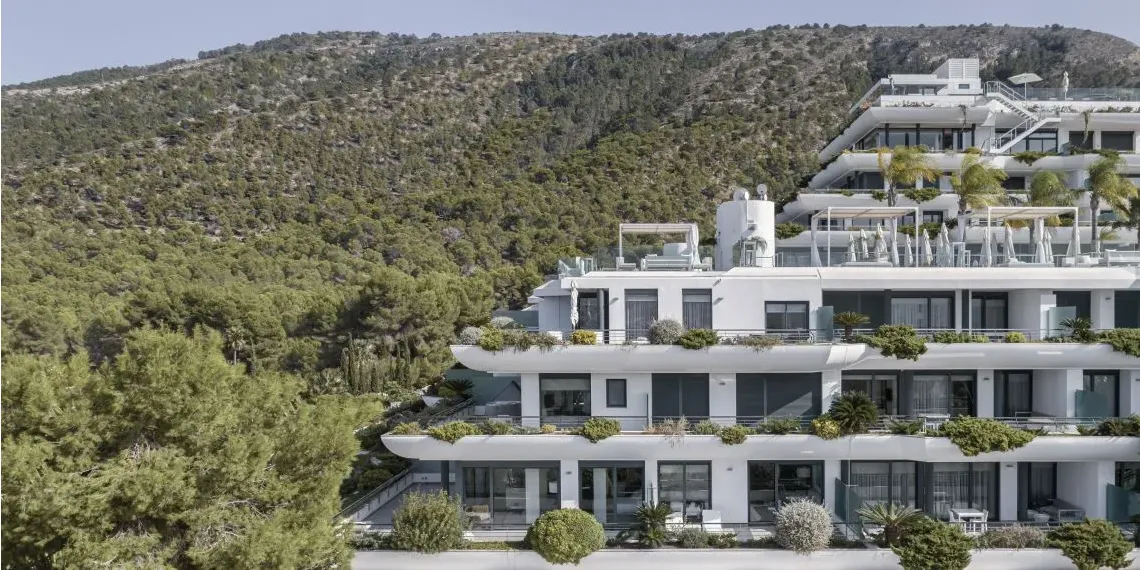
SHA seamlessly blends Eastern philosophies with Western perspectives on health and well-being within its luxurious and modern setting.
39 Reviews
Wellness
Restore physical and mental balance through evidence-based diagnostics, personalised treatments, movement and nutrition. A holistic approach that reduces stress, restores energy and strengthens well-being, from 4 nights.
from € 3762 p.p.
Stay without a programma
Not ready to commit to a programme? Book your stay your way and personalise your SHA journey on-site with help from the expert team
from € 4060 p.p.
Medical
Clinically guided programmes using advanced diagnostics, biomarkers and precision medicine to optimise health. Designed for deep, lasting improvement of vitality, cognition and quality of life, from 4 nights.
from € 4774 p.p.
Quit Smoking
Quit smoking naturally with expert medical care, personalised therapies and healthy habits that ease withdrawal, prevent relapse and boost motivation
from € 4822 p.p.
Executive Health & Performance
Designed for high performers, this intensive plan strengthens body and mind using both scientific and holistic treatments to boost energy and resilience
from € 4822 p.p.
4
The Retreat, Costa Rica
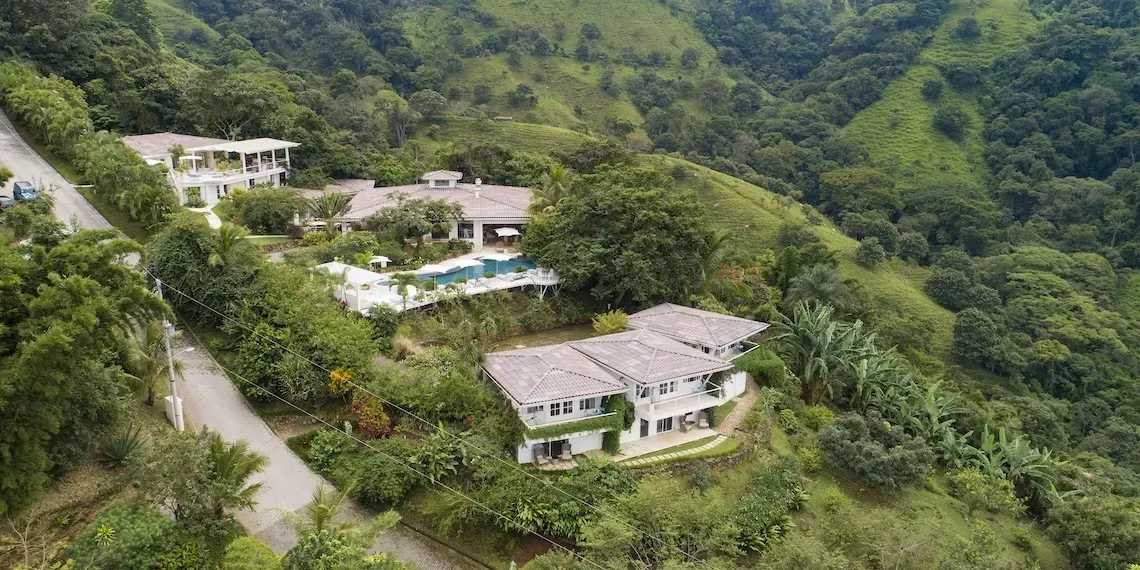
The Retreat Costa Rica is one of the best luxury wellness boutique resort and spa, where organic gardens, lush landscapes, chirping birds, and technicolor sunsets are the setting for healing journeys.
11 Reviews
Women's Health
Support and balance during hormonal changes. These programmes help women navigate menopause and regain vitality
from € 3800 p.p.
4
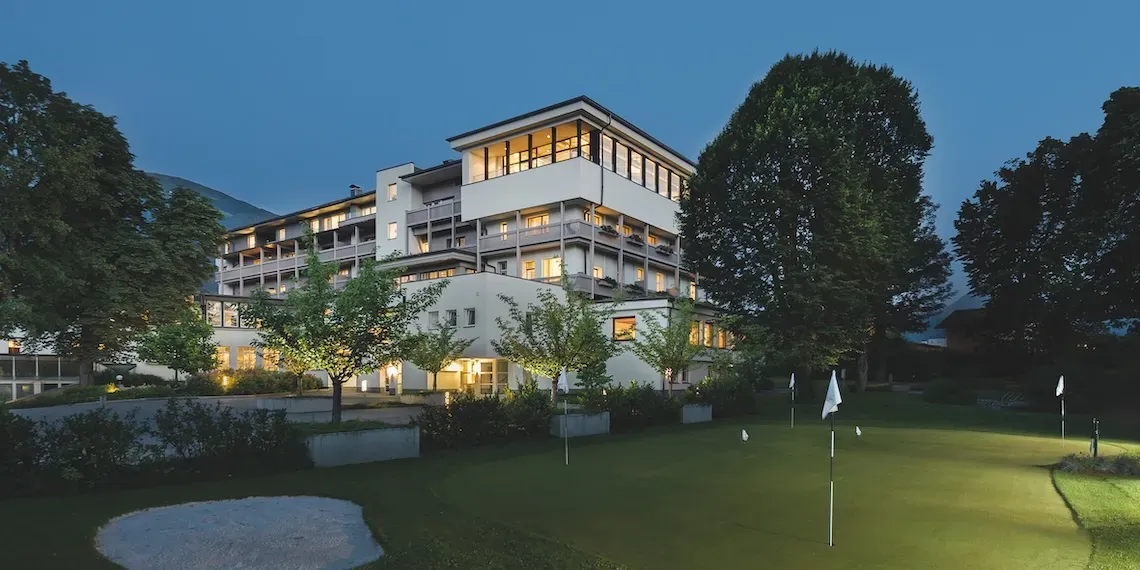
Park Igls, Austria
Park Igls is a private medical spa located in the heart of Tyrol, Austria. One of the leading award-winning medical spas in Europe, with a focus on the Mayr approach for a healthier lifestyle.
20 Reviews
Physiotherapy and Neuro
Targets muscle and joint pain like back issues, arthrosis or imbalance. Includes physiotherapy, heat and movement to ease pain
from € 4164 p.p.
Women's Health
Women’s health deserves special care. At Park Igls, tailored programmes support every stage of life, from hormone balance to energy and vitality, with expert guidance to help you feel your best every day.
from € 4623 p.p.
Immune Health
A strong immune system is the foundation of good health. Here you will find programmes designed to strengthen your resilience and protect your body against illness
from € 4796 p.p.
Medical Check
Prevention is the foundation of lasting health. Medical experts guide you with advanced diagnostics and tailored advice, helping you to protect your health and address issues before they arise.
from € 6168 p.p.
5
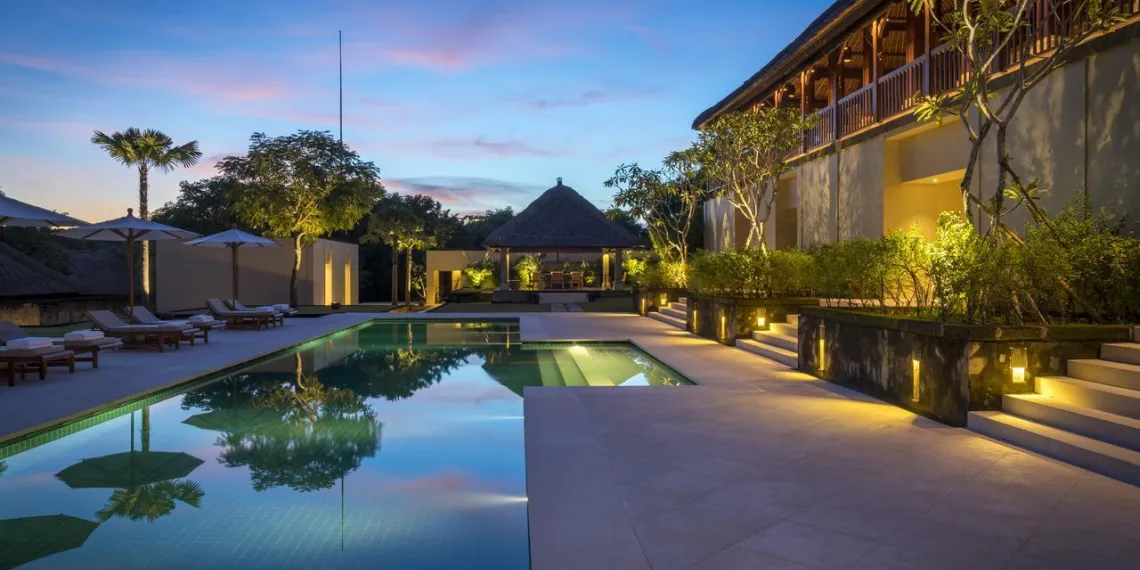
REVĪVŌ Wellness Resort, Bali (Indonesia)
Excellent service and extremely professional holistic programmes based on Balinese traditions. A beautiful and intimate retreat in green surroundings creating a warm and friendly atmosphere.
14 Reviews
Medical Longevity
REVĪVŌ's most advanced longevity programme, developed in partnership with Younger by Science. Biomarker diagnostics, expert consultations and vitality technologies optimise your biological age, from 6 nights.
from € 4416 p.p.
5
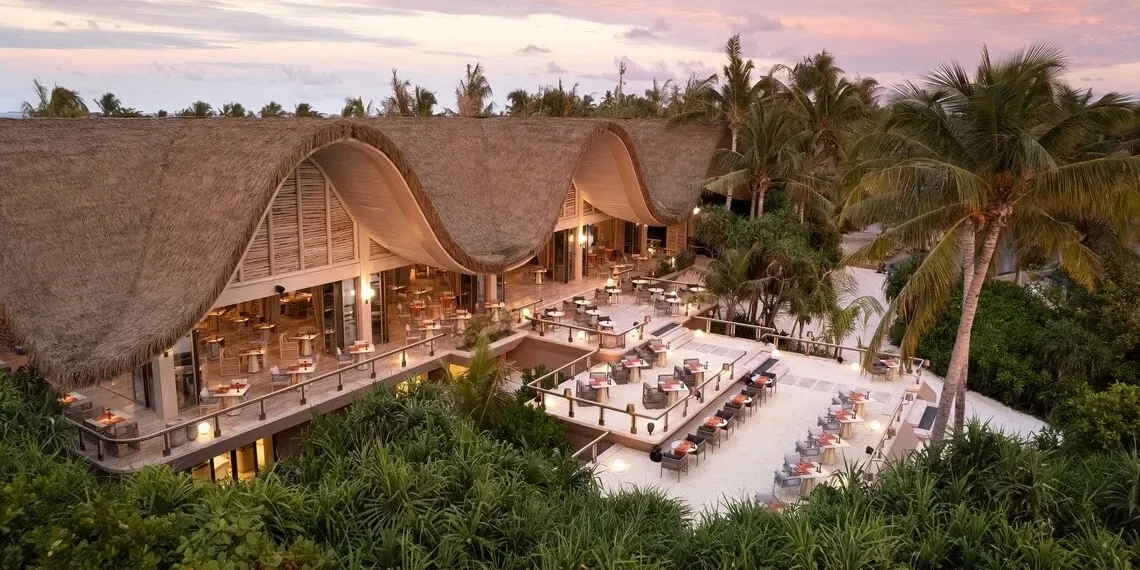
JOALI BEING, Maldives
Do you want to invest in your health without temptations, while in paradise? This is your destination! The brand new JOALI BEING the wellbeing and sustainability retreat of the Maldives.
6 Reviews
Health
Strength, balance and renewal. Journeys for men, women and anti-ageing to elevate health and experience the Joy of Weightlessness
from € 4570 p.p.
5
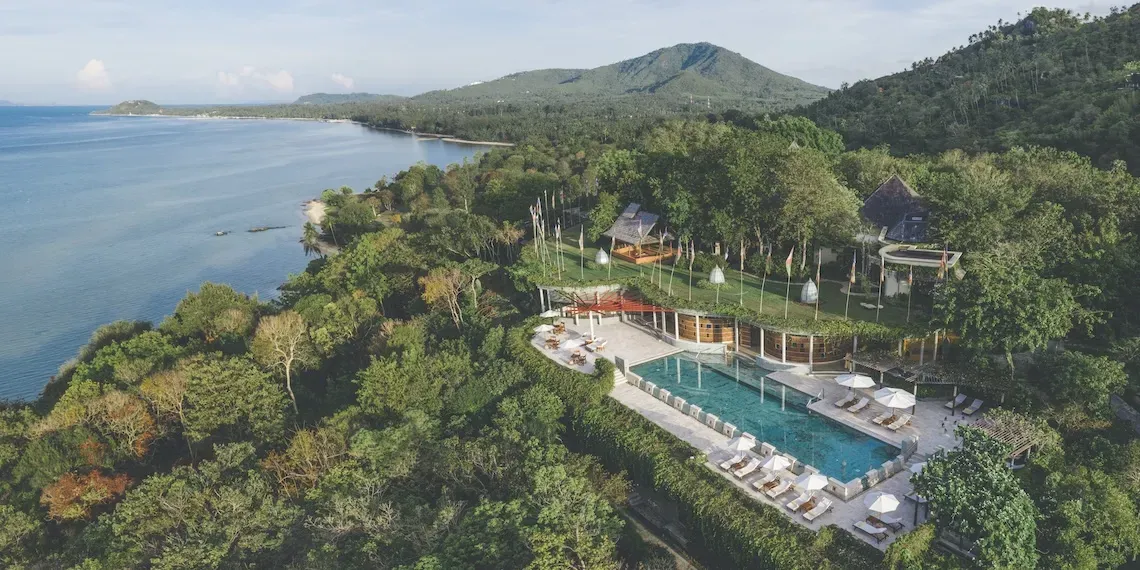
Kamalaya Wellness Sanctuary, Thailand
Life-changing and unforgettable, Kamalaya Wellness Sanctuary on Koh Samui is celebrated as the world’s No. 1 Health Spa. An experience beyond words.
176 Reviews
Healthy Lifestyle
A healthy lifestyle starts with listening to your body. Whether you long for deep, restorative sleep, more balance in your health, or a natural boost for your immunity. Here you'll find all the programmes that support your journey
from € 4748 p.p.
5
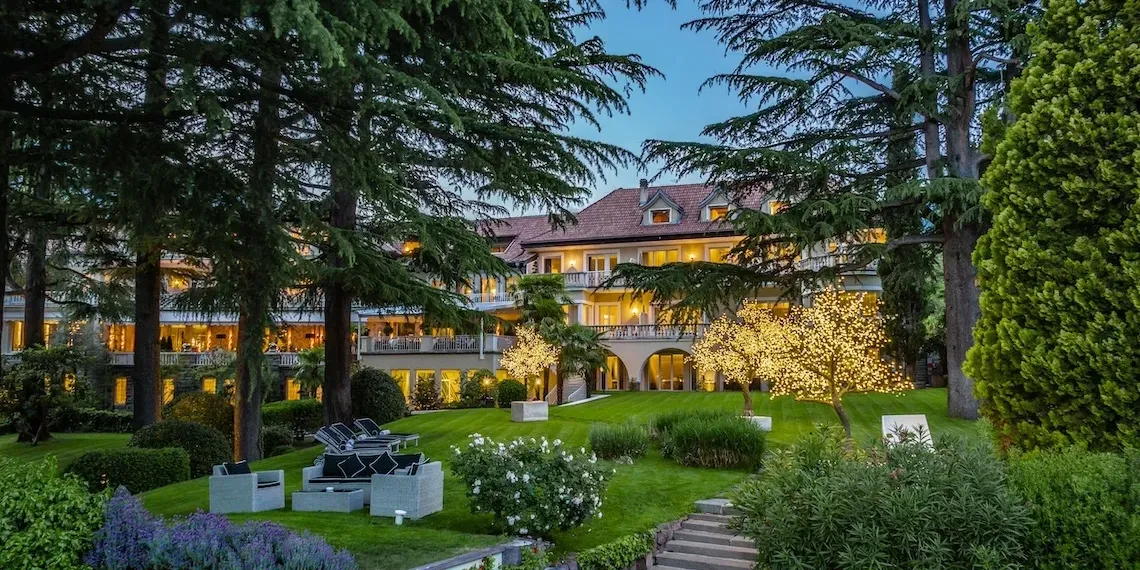
Villa Eden, Italy
A 5 stars Small Luxury Hotel with prize-winning medical wellness centre (named winning Longevity and Beauty Centre). At Villa Eden The Leading Park Retreat, a truly personal approach goes hand-in-hand with excellent expert knowledge.
5 Reviews
Medical programmes
Work on long-term health. Choose a rejuvenation treatment, Immune System Booster, or Anti-cellulite treatment and improve the aging process and mental strength with personal care.
from € 5800 p.p.
5
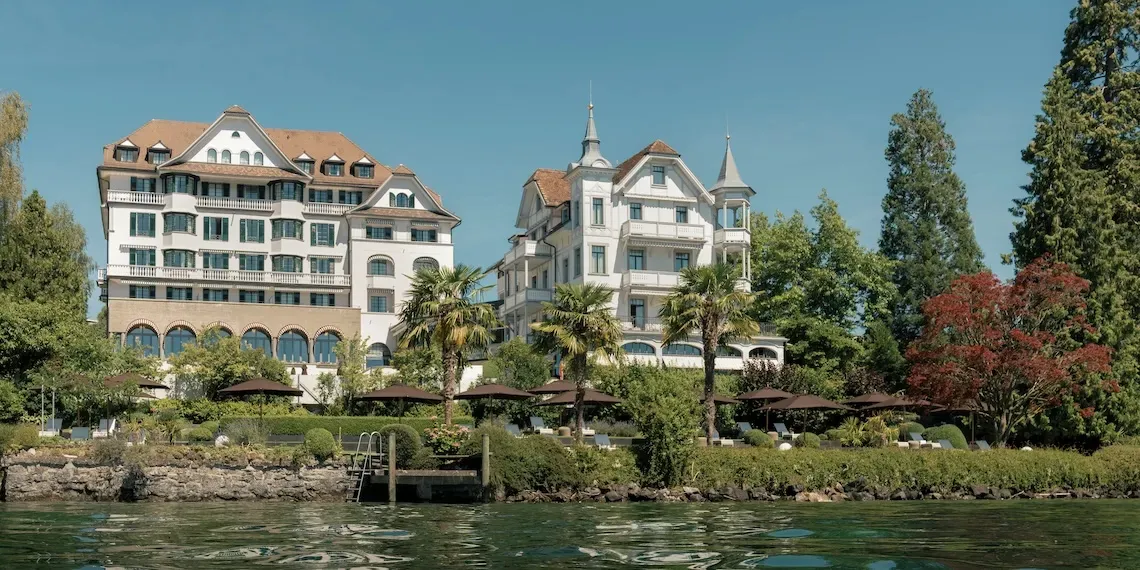
Chenot Palace Weggis, Switzerland
Chenot Palace Weggis is the brand new Chenot flagship in Switzerland. The Chenot Method is known worldwide for its medical detox programs where Western science and Eastern philosophy come together.
8 Reviews
Chenot Detox
Recover, cleanse and renew. Here you will find programmes for detox, sleep optimization, and anti-aging therapies to enhance your energy, clarity, and vitality on every level
from € 7400 p.p.
Body Insights & Optimisation
Truly understand your body. From metabolism to muscle strength, gain advanced insights into your health and receive a tailored strategy to boost your energy, balance and long-term vitality
from € 7500 p.p.
5
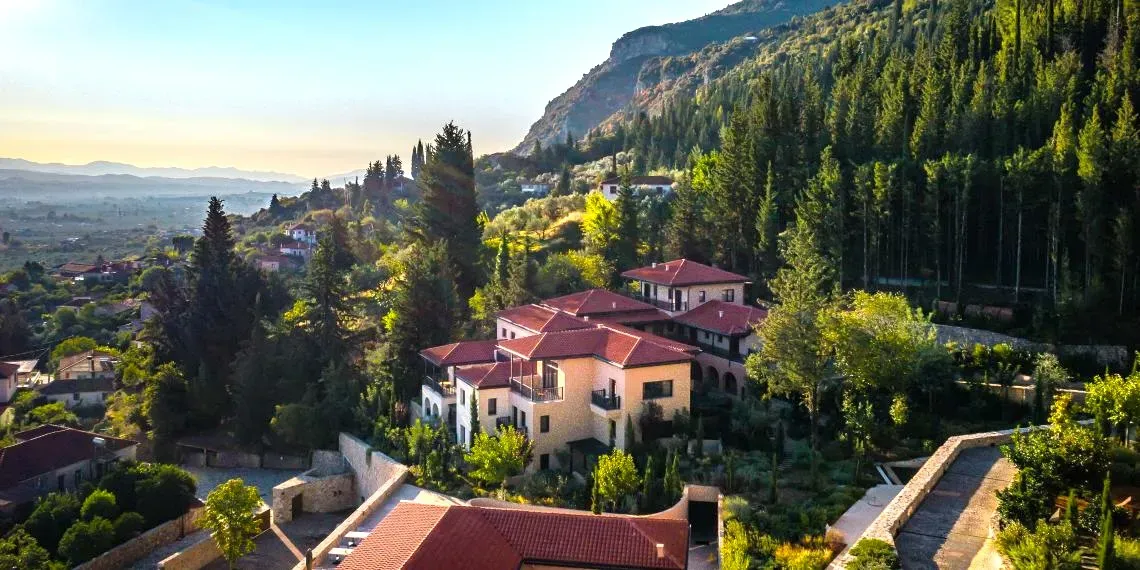
Euphoria Retreat, Greece
This is Greece's first holistic retreat, designed around the five elements of Chinese medicine to promote physical and mental balance. It's a stunningly designed retreat and a truly impressive destination at an hour's drive from Kalamata..
35 Reviews
Holistic health with medical approach
Clinically guided retreats to improve vitality, longevity and female health with personalised care.
from € 9311 p.p.
5
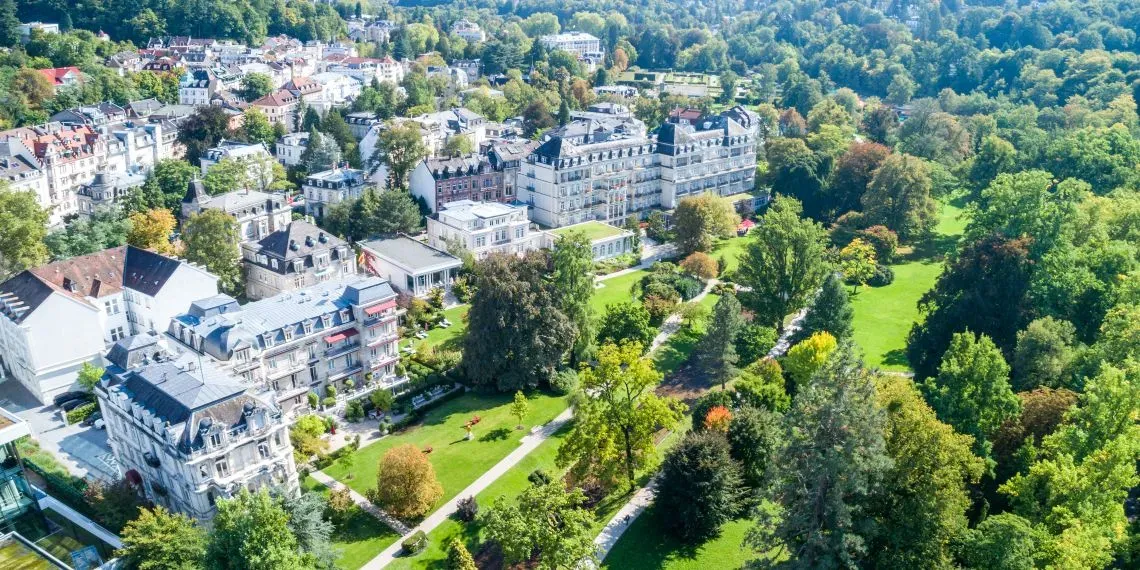
Brenners Park, Germany
A luxurious hotel exuding timeless elegance and grandeur, complemented by a state-of-the-art spa boasting contemporary finesse and cutting-edge amenities.
8 Reviews
Boost your immune system
Strengthen your immune system and recover faster with programmes combining nutrition, movement and therapies for long-term protection.
from € 11800 p.p.
Orthopaedics
Move freely and reduce pain with programmes that improve posture, mobility and joint health
from € 12700 p.p.
5
Clinique La Prairie, Switzerland
Clinique La Prairie has been at the forefront of longevity and wellness since 1931. As the first medical spa to offer advanced genetic testing, it continues to lead in innovative health technologies and treatments.
Anti-aging
from € 30500 p.p.
Beauty Stem Cells
from € 52500 p.p.

Unable to find what you’re looking for? Allow us to inspire you with additional options by calling +31 (0)20 573 03 50.
What is a health holiday in a Medical Spa
A medical wellness holiday is a wellness holiday with a specific goal. Of course, you’ll be staying at a health, Spa and wellness resorts, where you’ll relax, enjoy personal attention, outstanding service and spa therapies. But in addition to all of that, you’ll be following a programme dedicated to alleviating your issues. You choose your wellness package based on the problem you want to address. A weight loss programme, smoking cessation programme, better sleep programme or a special , for instance. The treatment of physical ailments such as rheumatism, digestive issues or migraines is also an option.
What to expect from a 'Improve your sleep program'
With disengagement and relaxation as lost concepts today, sleep deprivation is rising to be the next emotional challenge for humans. A thorough research on the emotional, mental and physical reasons contributing to the rapidly growing inability to sleep, resulted in the growth of health and wellbeing hotels and resorts that offer sleep enhancement programs. The emotional healing aspect addresses sleep issues through working on the subconscious mind and provides clients with tools to decompress daily. The goal of those programs is to teach traditional mindfulness methods that help handle sleep disturbances in an effective and sustainable way.
What to expect from a 'Healthy gut program'
A healthy gut refers to a digestive system that is able to efficiently break down food, absorb nutrients and eliminate waste without causing discomfort or health problems. Having an unhealthy gut can lead to a range of digestive problems, such as constipation, diarrhea, bloating, a weakened immune system or other health issues. Several factors can contribute to a healthy gut, including a balanced and varied diet that includes plenty of fiber-rich fruits, vegetables, whole grains, regular exercise, stress management and getting enough sleep. A healthy gut program in a health resort typically includes a range of activities and services designed to support and improve gut health. Think healthy food, nutritional counseling, probiotic or enzyme therapies, stress reduction techniques, exercise and stress management therapy. A healthy gut program in a health resort aims to provide tools and knowledge through lifestyle changes, dietary modifications and specific therapies.
What to expect from a 'Stop Smoking program'
Would you like to have support and encouragement to stop smoking? Developing skills to maintain a smoke-free lifestyle? Our Health resorts and Medical spas offer all-in programs to help you in quitting smoking forever! A Stop Smoking program in a health resort is a structured and supportive program designed to help you to quit smoking. The program takes place in a health resort, Medical or Destination Spa, where guests can receive guidance and support from trained professionals, and benefit from the resort's facilities and services.
What is Traditional Chinese Medicine
Traditional Chinese medicine (TCM) is a form of medical practice that has been used in China for thousands of years. It is based on the concept of Qi (pronounced "chee"), which is the vital energy that flows through the body's meridians or pathways. TCM includes a range of practices, including acupuncture, herbal medicine, cupping, moxibustion and dietary therapy. It is a holistic approach to health, treating not just the physical symptoms of a condition, but also the emotional and spiritual aspects of a person's health. There is a growing body of research that suggests TCM can be an effective complement to Western medicine in treating a range of health conditions. In TCM, the focus is on maintaining balance and harmony within the body, rather than just treating specific symptoms or diseases. Practitioners use a variety of diagnostic techniques, including pulse and tongue diagnosis, to determine imbalances in the body's Qi and develop a personalized treatment plan.
What is a wellbeing holiday with acupuncture?
Acupuncture is a holistic treatment method and part of Traditional Chinese Medicine (TCM). Various health resorts include TCM treatments in their wellbeing packages. Wellbeing packages that focus on a specific issue such as Stop Smoking, Rejuvenation, anti-aging or weight loss. Acupuncture can also be beneficial for gastrointestinal complaints, digestive issues, tension or poor sleep. On a wellness holiday with acupuncture, after an initial consultation with an acupuncturist, you will receive various treatments specifically targeted at your issue.
The power of healthy aging programs
Healthy aging refers to the process of optimizing physical, mental, and social well-being as we age. It involves making lifestyle choices that promote physical and cognitive health, as well as engaging in activities that foster social connections and emotional well-being. Many health resorts offer programs that focus on healthy aging. These programs include a combination of fitness classes, healthy meals, yoga and meditation classes, nutrition consultations, massages, fitness training and various types of medical check-ups and treatments that focus on healthy aging. We listed our offer in healthy aging programs. It is important to note that each health resort has their specific approach in healthy aging and may offer different levels of services. There is a difference between a medical or a holistic approach. There is a difference in type of luxury and comfort. And there is a difference between a five star deluxe medical spa or a boutique retreat. It is essential to choose a health resort that fits your needs and preferences.
Womens Health retreats
Menopause is a natural biological process that marks the end of a woman's reproductive period, typically occurs between the ages of 45 and 55. Symptoms of menopause can include hot flashes, night sweats, gain weight, mood swings and difficulty sleeping. A healthy menopause refers to a period of transition that is characterized by minimal symptoms and complications. This can be achieved through a combination of lifestyle changes, such as regular exercise, healthy eating, stress management, and avoidance of smoking and excessive alcohol intake. Some Health resorts and wellness centers have created specific programs around menopausal symptoms to women experiencing those complains. Natural remedies could be acupuncture, healthy food, herbal remedies, mindful therapy and mind-body therapy. We listed our health Resorts that offer specific programs around menopausal symptoms.
physiotherapy as part of a health program
Many health and wellbeing hotels, resorts and retreats offer physiotherapy as part of their program, and they may also provide access to other healthcare professionals, such as nutritionists, counselors and fitness instructors. A physiotherapy program as part of a health and wellbeing holiday can help you to develop healthy habits and lifestyle changes that can have a long-term impact on their overall health and wellbeing. A health and wellbeing holiday that includes physiotherapy may involve a customized program designed to help you achieve your specific goal, such as improving fitness level, managing chronic pain, improving body posture, lighten back problems or recovering from an injury. The program may include a combination of physiotherapy sessions, exercise classes, nutritional counseling and relaxation therapies, all tailored to your needs.
Fango mud
'Fango' is an Italian word that translates to 'mud' in English. In the context of health and wellbeing, 'Fango' generally refers to a type of therapeutic mud or clay that is used in various spa treatments for its purported benefits on the skin and body. Fango is volcanic mud mixed with thermal water. Minerals in the mud have a strong cleansing and stimulating effect. When heated to 42 and 45°C and applied to the body, fango promotes circulation. When used in a wrap or bath, the healing properties of the volcanic minerals and thermal water are absorbed through the skin’s pores. As a result, the muscles and connective tissues soften and pain is alleviated. Fango is believed to have healing and detoxifying properties and is used in spa treatments to help relieve muscle tension, reduce inflammation and improve circulation. Fango treatments are popular in many European spas and Health and Wellbeing resorts, particularly in Italy where the use of mud baths and other natural therapies has a long history.
What to expect from a Boost your immune system program
A program in a health resort that aims to boost your immune system would typically involve a combination of various activities and therapies designed to improve your overall health and wellbeing. The immune system is made up of two main types of immunity: innate immunity and adaptive immunity. Innate immunity is the body's first line of defense against pathogens, and includes physical barriers such as the skin and mucous membranes, as well as specialized cells such as natural killer cells and phagocytes. Adaptive immunity, on the other hand, is a more specific response that develops over time in response to exposure to a specific pathogen. It involves the production of antibodies and the activation of specialized immune cells such as T cells and B cells.
Biohacking: how smart tech optimises body & mind
Biohacking is about using science and technology to understand your body and mind, and then making targeted improvements. Through tools like DNA tests, sleep trackers and gut health assessments, you can uncover hidden blockers — poor sleep cycles, food intolerances, excessive stress, or mobility limits. Once you know where your system isn’t working optimally, you don’t guess — you act precisely. Many medical spas now use advanced diagnostics to design programmes that boost brain performance, energy levels and long-term resilience.
Programmes to relieve Pain management
xxx
Programmes to relieve Tinnitus
xxx
Programmes to relieve back pain
xxx
As featured in...