 +31 (0)20 573 03 50
 EN
EN NL
NL BE
BE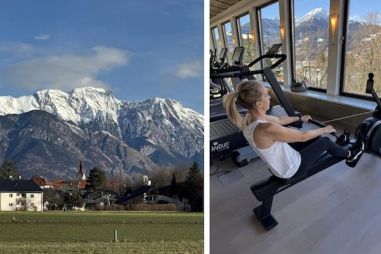
Floortje Dessing's recovery at Park Igls in Austria
After months of illness, searching, and not knowing what was wrong, Floortje Dessing decided something had to change. Her body felt depleted, her energy gone. Recovery, she realised, would take more than rest alone. She chose distance, structure and medical support, and travelled to Park Igls — a place built around the body and the process of recovery. In her own words, she describes how far she had to go before she could begin, slowly, to find her way back.
Floortje: “It must have been almost six months ago when I first started feeling unwell. I felt increasingly drained. Unexplained pain throughout my body, constant exhaustion, no energy at all. The excitement I normally feel when setting off on a long journey had disappeared. Not long after that, working became impossible too. My body and mind simply stopped cooperating.
In the months that followed, I searched endlessly for answers. What was wrong with me? I started with my GP, who referred me to various specialists. Nothing came of it. After that, I turned to alternative medicine. I visited doctors and therapists who hoped to say something about my constitution — anything that might explain why I felt so awful.
One day I would be lying on a massage table while someone moved their hands across my legs and abdomen, trying to restore my energy. The next day, my body was being analysed by a machine that claimed, via crystals, to detect what was wrong. I went to physiotherapists, massage therapists, breathing specialists. Every morning I did yoga, faithfully — until even that became too much. I simply didn’t have the energy anymore. Nothing helped. I only felt worse.
Three months later, a diagnosis finally came: severe adhesions in my intestines. After major surgery and two weeks in hospital, I began to feel better, slowly. What a relief. At the same time, I realised how much damage those months had done — quite apart from the operation itself. I felt like a deflated balloon. No energy, significant muscle loss, underweight, stiff. In the weeks that followed, I spent a lot of time in bed recovering. I did start going outside more often, just to walk. That was about all I could manage. But being at home, with only physiotherapy in between, wasn’t enough.
I knew I needed to go somewhere where I could work on my recovery properly. Away from home. Without distractions. A retreat. Not too far from the Netherlands. With solid medical guidance. In nature — ideally in the mountains.”
- Health Resort Park Igls in Innsbruck, Austria
- Park Igls: an all-in-one destination for health, sport and wellness
- My room
- Intake consultation and medical programme
- The Mayr Method: health begins in the gut
- Building strength through inner recovery
- Eating to build strength
- A programme tailored to you
- My first day at Park Igls
- A gentle return to movement
- A liver wrap as a moment of rest
- Cell therapy as training
- A daily rhythm in Park Igls
- The first signs of change
- Trust returns
- A visible difference
- Considering Park Igls? Here’s everything you need to know about the programmes and the hotel.
Health Resort Park Igls in Innsbruck, Austria
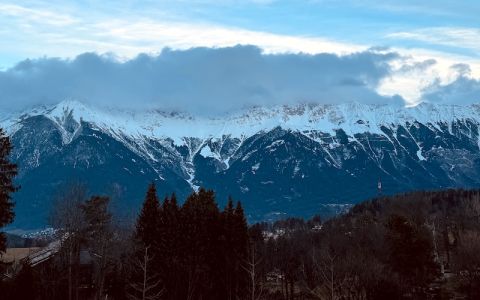
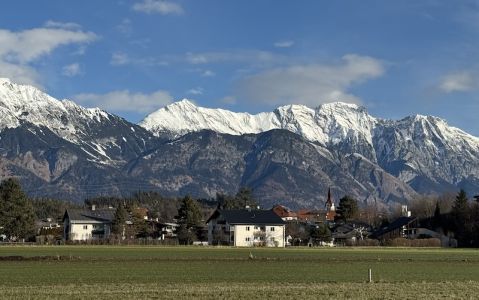
Two weeks later the plane touches down in snowy Austria after a flight of just over an hour. Innsbruck sits at the base of a dramatic mountain range. From the airport it is a short, under-twenty-minute drive to Park Igls, a spa retreat that still carries the spirit of the old, rigorous health tradition, reinterpreted for modern times.
Park Igls: an all-in-one destination for health, sport and wellness
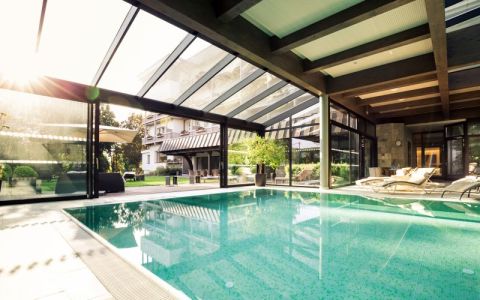
The building has been here for more than eighty years and has since been carefully brought up to date. Everything sits under one roof: a generous spa, medical treatment rooms, a restaurant, and a gym with clear views of the Alps. Snow-covered peaks are never far from sight. It’s difficult to imagine a better place to focus on fitness. I’m welcomed and shown around. The hotel feels compact, which suits it well. You never feel lost.
My room
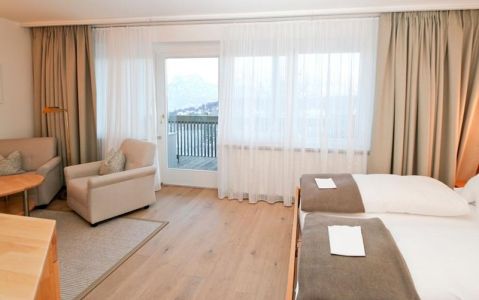
My room is spacious and comfortable, with a large bed dressed in thick Austrian duvets, a bathroom with a bathtub, a seating area, and a balcony looking out over the mountains. On the tour, I learn that Park Igls offers a range of room categories, from single rooms to generous doubles and suites. Sizes and outlooks vary, but the mood is consistent: calm colours, natural materials, and a focus on comfort.
Intake consultation and medical programme
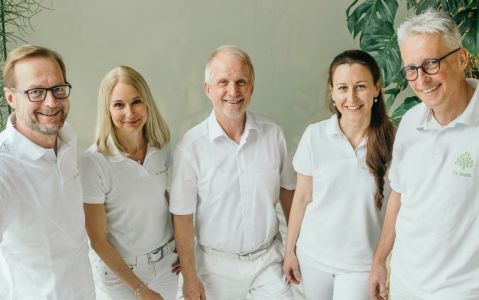
Two hours later, I sit down with the doctor for my initial consultation. We talk through my aims: building strength, gaining weight, and easing my body back into movement. Fitness and yoga, taken at a measured pace, but with purpose. This is followed by a full medical assessment, covering blood pressure, body composition, muscle mass and hydration. A photograph is taken for reference. From there, the doctor shapes my programme around what we’ve discussed.
The Mayr Method: health begins in the gut
At Park Igls, the work is rooted in the ideas of Franz Xaver Mayr, the Austrian doctor who placed digestion at the centre of good health. His view was simple: when the gut is under strain, the body follows. Eating too fast, too much, or without rhythm disrupts metabolism and limits proper nutrient absorption. Over time, problems start to surface.
Building strength through inner recovery
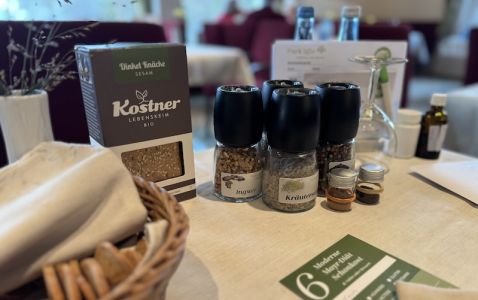
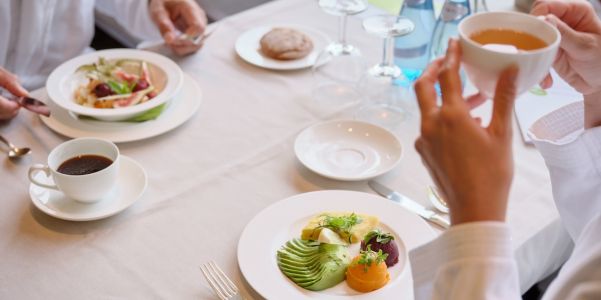
Park Igls’ focus is on restoring balance from the inside out, and it begins immediately. Hydration is important, I am drinking at least three litres a day, mainly water and herbal teas. Before each meal, a glass of bitter water prepares the digestive system, supporting the liver, gallbladder and stomach. A warm hot-water bottle on the liver is part of the daily routine, encouraging detoxification. The diet is disciplined but carefully considered. For detox and gut healing, it’s hard to think of a better setting. More than half of the guests come with that single aim. The entire place is quietly structured around it. Water is always within reach, and bowls of fresh herbs are part of the table, without fuss.

Eating to build strength
If your aim is to gain weight, just like mine, this approach works just as well. The Mayr method is built around absorption rather than restriction: choosing the right foods and eating them at the right moments. The food is genuinely good — healthy, satisfying, and full of flavour. No refined carbohydrates, no added sugars, no saturated fats. Breakfast is simple: an egg, a small piece of bread. No coffee. It takes a moment to adjust. Then it becomes normal.
A programme tailored to you
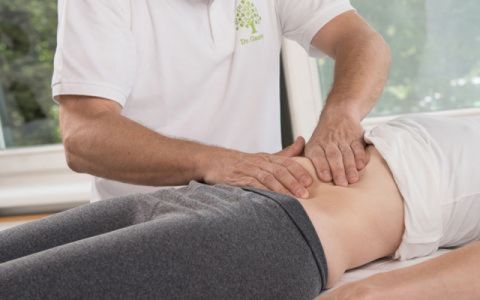
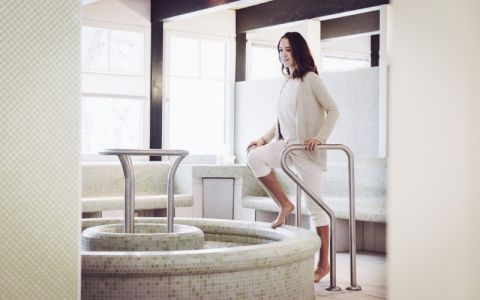
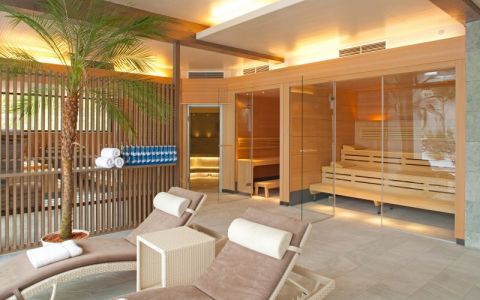
My programme is built around a mix of physiotherapy, time in the gym, liver wraps and lymphatic massage. Alongside that is a full daily timetable of classes, ranging from yoga and Pilates to climbing. Talks on health, nutrition and therapeutic methods are part of the schedule. Each morning begins with a Kneipp ritual, alternating warm and cold water for the hands and feet, designed to support circulation and metabolism. There’s also an indoor pool and a well-equipped sauna area, including a bio sauna, a Finnish sauna and a Turkish steam bath.
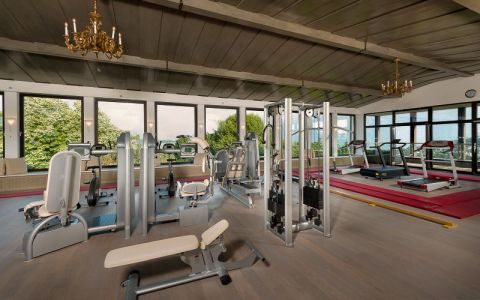
My first day at Park Igls
I take it easy on day one. After the intake, I have a fitness session with a personal trainer. Being active again, with guidance, feels reassuring. After the sauna and supper, I head to bed early. Tired, but satisfied.
A gentle return to movement
The day opens with a Hatha yoga class. After months of inactivity, my body is slow to respond, but it’s a welcome return. I lace up my walking boots and step outside. Within minutes of leaving the hotel, the landscape opens into green fields, the Alps quietly in the distance. The trail slips into woodland, with benches appearing at sensible intervals. An hour later, I’m back. Walking options here feel limitless. It’s hard not to be glad of that.
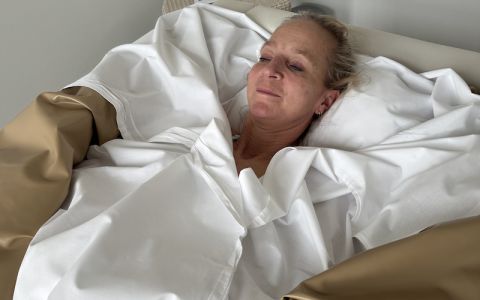
A liver wrap as a moment of rest
In the afternoon, I have a liver wrap. The aim is simple: to calm the system and stimulate circulation around the liver. The heat encourages the body to slow down, supporting recovery, digestion and detox. Beeswax is applied to the abdomen, towels are layered on top, and I’m placed on a warm water bed. And, as expected, I drift off almost at once.
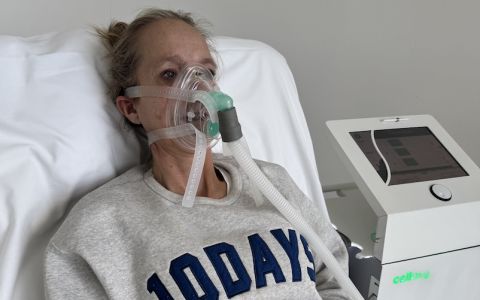
Cell therapy as training
The following day, cell therapy is on the schedule. It’s often compared to altitude training. Sitting comfortably in a chair, I breathe through a mouthpiece as the oxygen levels in the air are gradually altered — from normal conditions to what you’d experience at around 3,000 metres. The session lasts an hour. It’s designed to improve endurance. It takes a little getting used to, but it’s perfectly manageable. Five sessions are said to have an effect that lasts for months. That feels encouraging.
A daily rhythm in Park Igls
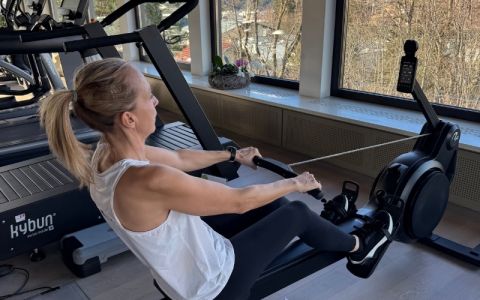
Over the following days, a rhythm begins to take shape. Mornings are spent with yoga and training, followed by a walk. Lunch is the main hot meal, then a treatment in the afternoon. Occasionally there’s a group class, although my fitness is still limited. I do what I can. Around dinner time, I head to the sauna. Quiet, almost empty. Afterwards, a light meal. Back in my room, I read or watch something.
The first signs of change
After a few days, I begin to notice a difference. I sleep better. I wake more calmly. My head feels clearer. My body starts to loosen, slowly. It’s not fast, but it doesn’t need to be. It feels like a solid beginning.
Trust returns
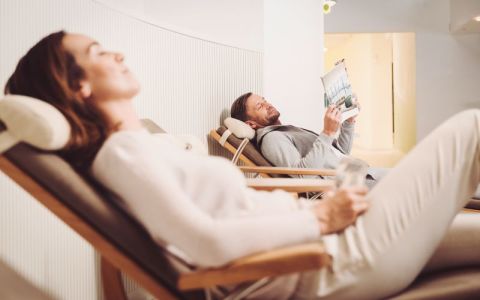
I can feel my body accepting movement again, provided I take it slowly. The treatments have a steadying effect, both physically and mentally. My eating habits begin to change. Old patterns fade, better ones take their place. But above all, there’s a deeper shift: I start to feel at home in my body again — the body that had resisted for so long. With that comes trust.
A visible difference
On the final day, a second photograph is taken. Placed alongside the first, the change is unmistakable. I look fresher. More at ease. Happier. My body feels stronger, more fluid. I’m not there yet. But one thing is clear: this was the right place to start.
Considering Park Igls? Here’s everything you need to know about the programmes and the hotel.
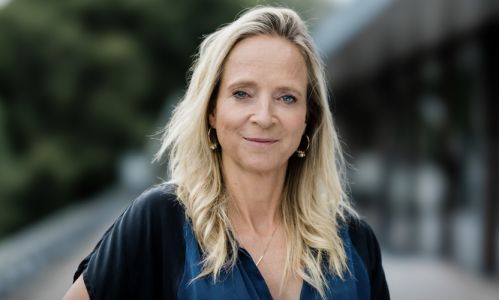
About Floortje
Floortje Dessing is a well-known Dutch television presenter and journalist. As PureandCure ambassador, she travels to health resorts all around the world and shares her captivating travel experiences and wellbeing insights.