+31 (0)20 573 03 50
 EN
EN NL
NL BE
BEChristmas and New Year: destinations to close the year quietly
May we inspire you
Blogs
Wellness, Yoga and Nature retreats in the Netherlands - NEW 2027 dates!
14 October 2026
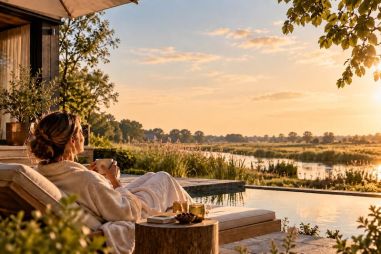
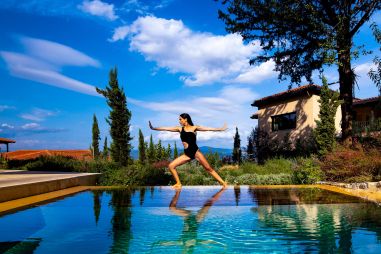
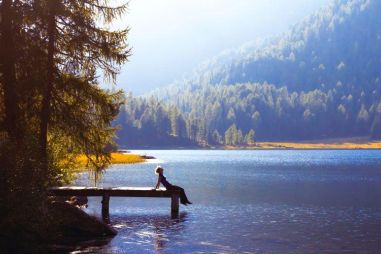
Slow down without going farLeave the alarm off. If you fancy yoga or a few quiet minutes of meditation, there’s a class before the rest of the hotel is up. If you’d rather not, nobody minds: have another hour in bed. Breakfast takes as long as it takes.Afterwards, perhaps a ramble with no destination in mind, or a bike ride that takes you rather further than you meant to go, followed by a long soak in the mineral baths or the spa. Somewhere in the day you’ll finish that book, have a massage and linger over dinner without once checking your watch.It sounds like a trip that takes serious planning. It doesn’t. All of this is waiting in the Netherlands, from the dunes of Zeeland to the mineral springs of Groningen.That’s the idea behind Slowlands: seeing the Netherlands at a gentler pace. Less box-ticking, more lingering. No checklist, no itinerary, just days you fill as you please, or leave empty.
Pureandcure review: Patricia's stay in Morocco
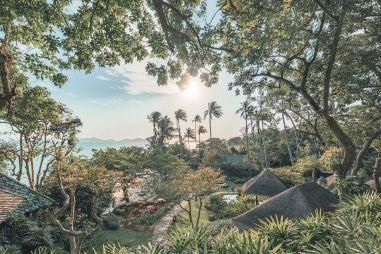
Kamalaya in winter: when is the best time to book?
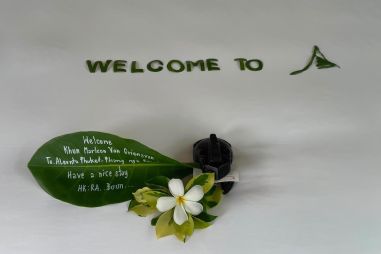
PureandCure review: Marleen's wellbeing stay in Thailand
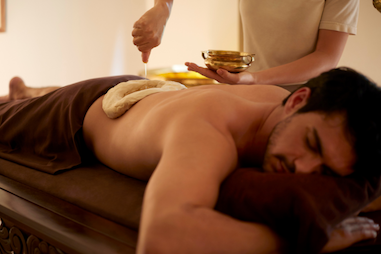
Which Ayurveda Retreat Suits You: Rasayana, Panchakarma or a Medical Programme
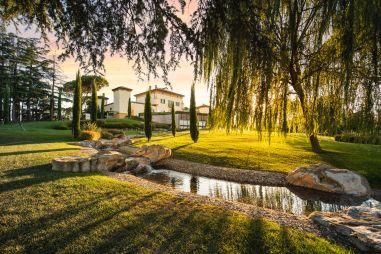
Guest review: Wilma's stay in Palazzo di Varignana
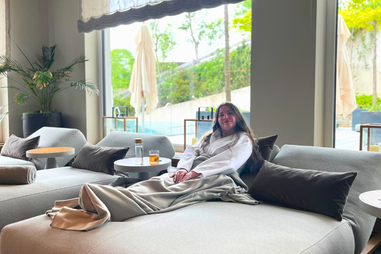
PureandCure review: Claudia's visit to Austria
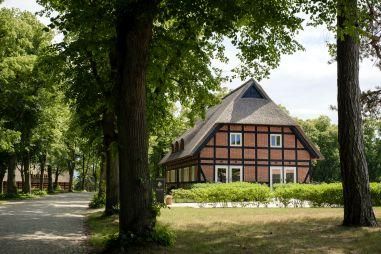
PureandCure review: Kim's visit to Retreat Park Am See - Nattika (Germany)
Yogaweekend in the Netherlands
Categories
As featured in...